



- Afhalen na 1 uur in een winkel met voorraad
- In januari gratis thuislevering in België
- Ruim aanbod met 7 miljoen producten
- Afhalen na 1 uur in een winkel met voorraad
- In januari gratis thuislevering in België
- Ruim aanbod met 7 miljoen producten





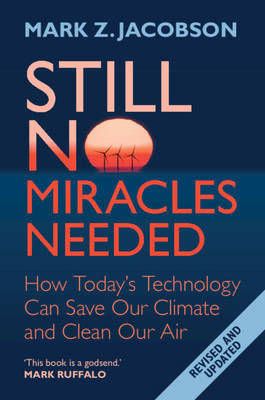
Still No Miracles Needed
How Today's Technology Can Save Our Climate and Clean Our Air
Mark Z Jacobson
Paperback | Engels
€ 23,95
+ 47 punten
Omschrijving
What if we don't need 'miracle technologies' to solve the climate problem? What if the technologies we need are already available? And what if we can use those existing technologies to ensure reliable electricity, heat supplies, and energy security? In a revised and updated edition of his award-winning climate bestseller, No Miracles Needed, the world's premier thinker on energy futures and one of the world's 100 most impactful people in the world in 2023, Mark Z. Jacobson reveals how nations, communities, and individuals can solve the climate crisis most effectively, while simultaneously eliminating air pollution and providing energy security. Mark explains how existing technologies can harness, store, and transmit energy from wind, water, and solar sources to ensure reliable electricity and heat supplies. It includes new, cutting-edge technologies, additional new real-life case studies about the solutions, and additional references. Written for everyone who cares about the future of our planet, this book advises individuals, policymakers, communities, and nations about what they can do to solve the problems identified, and the economic, health, and climate benefits of the solutions.
Specificaties
Betrokkenen
- Auteur(s):
- Uitgeverij:
Inhoud
- Aantal bladzijden:
- 462
- Taal:
- Engels
Eigenschappen
- Productcode (EAN):
- 9781009662475
- Verschijningsdatum:
- 22/01/2026
- Uitvoering:
- Paperback
- Formaat:
- Trade paperback (VS)
- Afmetingen:
- 152 mm x 229 mm
- Gewicht:
- 612 g


Alleen bij Standaard Boekhandel
+ 47 punten op je klantenkaart van Standaard Boekhandel
Cadeau

AANGERADEN


Beoordelingen
We publiceren alleen reviews die voldoen aan de voorwaarden voor reviews. Bekijk onze voorwaarden voor reviews.