


- Afhalen na 1 uur in een winkel met voorraad
- Gratis thuislevering in België vanaf € 30
- Ruim aanbod met 7 miljoen producten
- Afhalen na 1 uur in een winkel met voorraad
- Gratis thuislevering in België vanaf € 30
- Ruim aanbod met 7 miljoen producten





€ 42,45
+ 84 punten
Omschrijving
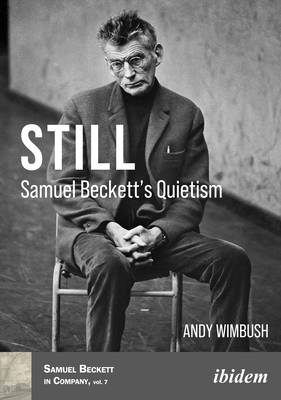
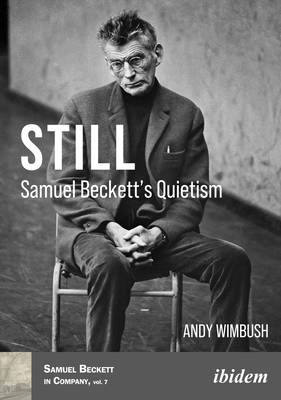
In the 1930s, a young Samuel Beckett confessed to a friend that he had been living his life according to an 'abject self-referring quietism'. Andy Wimbush argues that 'quietism'--a philosophical and religious attitude of renunciation and will-lessness--is a key to understanding Beckett's artistic vision and the development of his career as a fiction writer from his early novels Dream of Fair to Middling Women and Murphy to late short prose texts such as Stirrings Still and Company. Using Beckett's published and archival material, Still: Samuel Beckett's Quietism shows how Beckett distilled an understanding of quietism from the work of Arthur Schopenhauer, E.M. Cioran, Thomas à Kempis, Fyodor Dostoevsky, and André Gide, before turning it into an aesthetic that would liberate him from the powerful literary traditions of nineteenth-century realism and early twentieth-century high modernism. Quietism, argues Andy Wimbush, was for Beckett a lifelong preoccupation that shaped his perspectives on art, relationships, ethics, and even notions of salvation. But most of all it showed Beckett a way to renounce authorial power and write from a position of impotence, ignorance, and incoherence so as to produce a new kind of fiction that had, in Molloy's words, the 'tranquility of decomposition'.
Specificaties
Betrokkenen
- Auteur(s):
- Uitgeverij:
Inhoud
- Aantal bladzijden:
- 272
- Taal:
- Engels
- Reeks:
Eigenschappen
- Productcode (EAN):
- 9783838213699
- Verschijningsdatum:
- 4/08/2020
- Uitvoering:
- Paperback
- Formaat:
- Trade paperback (VS)
- Afmetingen:
- 147 mm x 208 mm
- Gewicht:
- 340 g


Alleen bij Standaard Boekhandel
+ 84 punten op je klantenkaart van Standaard Boekhandel
Cadeau

AANGERADEN


Beoordelingen
We publiceren alleen reviews die voldoen aan de voorwaarden voor reviews. Bekijk onze voorwaarden voor reviews.