


- Afhalen na 1 uur in een winkel met voorraad
- Gratis thuislevering in België vanaf € 30
- Ruim aanbod met 7 miljoen producten
- Afhalen na 1 uur in een winkel met voorraad
- Gratis thuislevering in België vanaf € 30
- Ruim aanbod met 7 miljoen producten





€ 72,00
+ 144 punten
Omschrijving
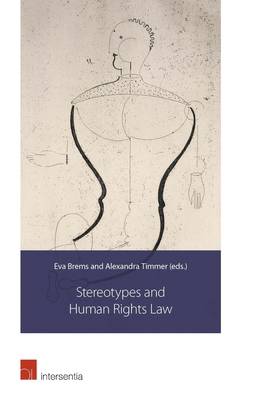
Stereotypes are beliefs about groups of people. Some examples, taken from human rights case law, are the notions that 'Roma are thieves', 'women are responsible for childcare', and 'people with a mental disability are incapable of forming political opinions'. Increasingly, human rights monitoring bodies including the European and inter-American human rights courts, the Committee on the Elimination of Discrimination against Women, and the Committee on the Elimination of Racial Discrimination voice concerns about stereotyping and warn States not to enforce harmful stereotypes. Human rights bodies thus appear to be starting to realise what social psychologists discovered a long time ago: that stereotypes underlie inequality and discrimination. Despite their relevance and their legal momentum, however, stereotypes have so far received little attention from human rights law scholars. This volume is the first one to broadly analyse stereotypes as a human rights issue. The scope of the book includes different stereotyping grounds such as race, gender, and disability. Moreover, this book examines stereotyping approaches across a broad range of supranational human rights monitoring bodies, including the United Nations human rights treaty system as well as the regional systems that are most developed when it comes to addressing stereotypes: the Council of Europe and the inter-American system.
Specificaties
Betrokkenen
- Auteur(s):
- Uitgeverij:
Inhoud
- Aantal bladzijden:
- 198
- Taal:
- Engels
Eigenschappen
- Productcode (EAN):
- 9781780683683
- Verschijningsdatum:
- 9/05/2016
- Uitvoering:
- Paperback
- Formaat:
- Trade paperback (VS)
- Afmetingen:
- 160 mm x 240 mm
- Gewicht:
- 349 g


Alleen bij Standaard Boekhandel
+ 144 punten op je klantenkaart van Standaard Boekhandel
Cadeau

AANGERADEN


Beoordelingen
We publiceren alleen reviews die voldoen aan de voorwaarden voor reviews. Bekijk onze voorwaarden voor reviews.