


- Afhalen na 1 uur in een winkel met voorraad
- Gratis thuislevering in België vanaf € 30
- Ruim aanbod met 7 miljoen producten
- Afhalen na 1 uur in een winkel met voorraad
- Gratis thuislevering in België vanaf € 30
- Ruim aanbod met 7 miljoen producten




Omschrijving
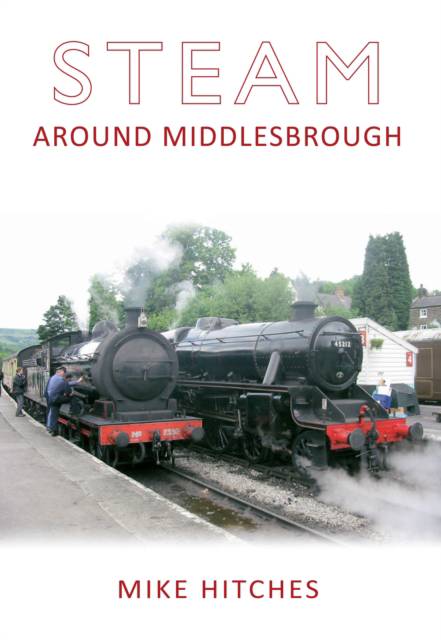
The north-east of England and the Middlesbrough area are the birthplace and cradle of modern railways. Collieries had been established in the North East since the Industrial Revolution and wagonways were constructed using horse power to transfer coal from pitheads to the coast for onward shipment to the capital and elsewhere. The Stockton & Darlington Railway (S&DR), the first public railway in the world, received royal assent in 1821. In 1831, Middlesbrough became part of the infant railway network when the S&DR extended its line from Stockton. At that time, Middlesbrough was no more than a small fishing community, but it did lie downstream of shallows which had to be negotiated by ships sailing from Stockton Wharf. Soon afterwards, ironstone deposits were discovered nearby and, along with coal, were brought to Middlesbrough by rail, allowing the establishment of a thriving iron and steel industry. From then until the Beeching Axe of the 1960s, the railways around Middlesbrough were still busy with passengers and freight. Much of the railway system around Middlesbrough remains intact, serving industries in the area, but local stations have ceased to exist, much like the steam locomotives that were a major part of the history of the area for some 150 years.
Specificaties
Betrokkenen
- Auteur(s):
- Uitgeverij:
Inhoud
- Aantal bladzijden:
- 160
- Taal:
- Engels
- Reeks:
Eigenschappen
- Productcode (EAN):
- 9781445615240
- Verschijningsdatum:
- 15/11/2014
- Uitvoering:
- Paperback
- Formaat:
- Trade paperback (VS)
- Afmetingen:
- 172 mm x 248 mm
- Gewicht:
- 405 g


Alleen bij Standaard Boekhandel
+ 53 punten op je klantenkaart van Standaard Boekhandel
AANGERADEN


Beoordelingen
We publiceren alleen reviews die voldoen aan de voorwaarden voor reviews. Bekijk onze voorwaarden voor reviews.