


- Afhalen na 1 uur in een winkel met voorraad
- Gratis thuislevering in België vanaf € 30
- Ruim aanbod met 7 miljoen producten
- Afhalen na 1 uur in een winkel met voorraad
- Gratis thuislevering in België vanaf € 30
- Ruim aanbod met 7 miljoen producten





€ 20,95
+ 41 punten
Eenvoudig bestellen
Veilig betalen


Gratis thuislevering vanaf € 30 (via bpost)
Gratis levering in je Standaard Boekhandel
Omschrijving
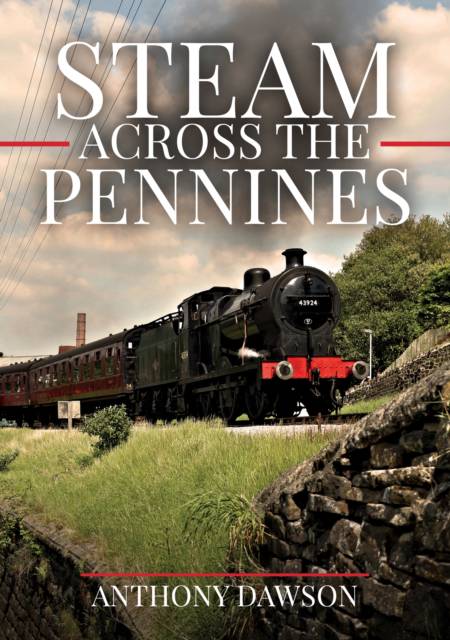
The Pennine ridge--"England's backbone"--have provided a dramatic backdrop to the steam locomotive for nearly 180 years. Armies of navvies, commanded by engineers such as George Stephenson, Charles Vignoles, and Joseph Locke, battled against nature to drive the first lines from Lancashire to Yorkshire: Summit, Standedge, and the Woodhead Tunnels are lasting monuments to their grit and determination. All this came to an end in 1968 when the last regular steam-hauled passenger service IT57 ("The Fifteen Guinea Special") pulled into Manchester Victoria at seven o'clock on August 11. But this was not the end of steam across the Pennines: bands of enthusiasts rallied round to save steam, first at the Keighley & Worth Valley, at Embsay and Bolton, then at Bury. The lifting of British Railways' steam ban in 1971 has meant that, once again, the Pennines reverberate to the sound of steam working hard across northern rugged terrain. This book follows preserved lines, steam specials and revisits iconic locations in the history of steam across the Pennines.
Specificaties
Betrokkenen
- Auteur(s):
- Uitgeverij:
Inhoud
- Aantal bladzijden:
- 96
- Taal:
- Engels
Eigenschappen
- Productcode (EAN):
- 9781445670966
- Verschijningsdatum:
- 15/10/2018
- Uitvoering:
- Paperback
- Formaat:
- Trade paperback (VS)
- Afmetingen:
- 165 mm x 235 mm
- Gewicht:
- 305 g


Alleen bij Standaard Boekhandel
+ 41 punten op je klantenkaart van Standaard Boekhandel
CADEAU

AANGERADEN


Beoordelingen
We publiceren alleen reviews die voldoen aan de voorwaarden voor reviews. Bekijk onze voorwaarden voor reviews.