


- Afhalen na 1 uur in een winkel met voorraad
- Gratis thuislevering in België vanaf € 30
- Ruim aanbod met 7 miljoen producten
- Afhalen na 1 uur in een winkel met voorraad
- Gratis thuislevering in België vanaf € 30
- Ruim aanbod met 7 miljoen producten





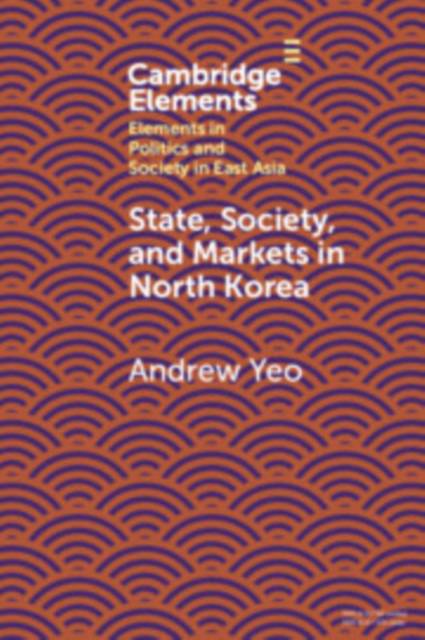
State, Society and Markets in North Korea
Andrew Yeo
€ 36,45
+ 72 punten
Omschrijving
Under Kim Jong-un, North Korea has experienced growing economic markets, an emerging 'nouveau riche, ' and modest levels of urban development. To what extent is North Korean politics and society changing? How has the growth of markets transformed state-society relations? This Element evaluates the shifting relationship between state, society, and markets in a deeply authoritarian context. If the regime implements controlled economic measures, extracts rent, and subsumes the market economy into its ideology, the state will likely retain strong authoritarian control. Conversely, if it fails to incorporate markets into its legitimating message, as private actors build informal trust networks, share information, and collude with state bureaucrats, more fundamental changes in state-society relations are in order. By opening the 'black box' of North Korea, this Element reveals how the country manages to teeter forward, and where its domestic future may lie.
Specificaties
Betrokkenen
- Auteur(s):
- Uitgeverij:
Inhoud
- Aantal bladzijden:
- 88
- Taal:
- Engels
- Reeks:
Eigenschappen
- Productcode (EAN):
- 9781108744799
- Verschijningsdatum:
- 4/11/2021
- Uitvoering:
- Paperback
- Formaat:
- Trade paperback (VS)
- Afmetingen:
- 152 mm x 229 mm
- Gewicht:
- 127 g


Alleen bij Standaard Boekhandel
+ 72 punten op je klantenkaart van Standaard Boekhandel
Cadeau

AANGERADEN


Beoordelingen
We publiceren alleen reviews die voldoen aan de voorwaarden voor reviews. Bekijk onze voorwaarden voor reviews.