


- Afhalen na 1 uur in een winkel met voorraad
- Gratis thuislevering in België vanaf € 30
- Ruim aanbod met 7 miljoen producten
- Afhalen na 1 uur in een winkel met voorraad
- Gratis thuislevering in België vanaf € 30
- Ruim aanbod met 7 miljoen producten





€ 8,45
+ 16 punten
Omschrijving
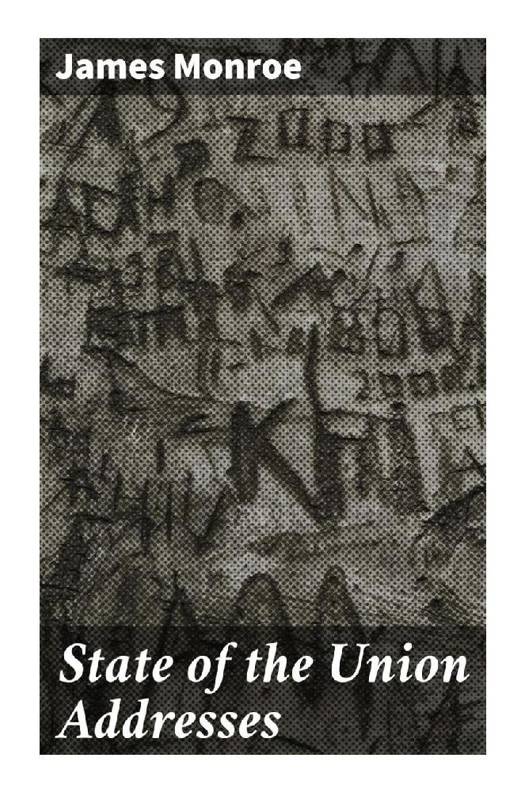
In his compendium 'State of the Union Addresses,' James Monroe eloquently navigates the intricate tapestry of American political life during his presidency from 1817 to 1825. The book comprises a series of addresses that reflect Monroe's distinctive literary style-marked by clarity and a commitment to democratic ideals. His eloquent oratory captures the essence of a nation transitioning toward a more unified identity in the post-Revolutionary era, addressing pressing issues like territorial expansion, national security, and the importance of unity in a burgeoning democracy. This collection is pivotal in understanding the historical and political context of early 19th-century America, as it provides not only policy insights but also a window into Monroe's beliefs and values as a leader. James Monroe, the fifth President of the United States, was deeply influenced by the ideals of the Enlightenment and the revolutionary spirit of his time. His tenure was marked by significant events, including the establishment of the Monroe Doctrine, which sought to assert American influence in the Western Hemisphere. Monroe's experiences as a soldier, diplomat, and statesman undoubtedly shaped his perspectives on governance and national identity, allowing him to address the aspirations and anxieties of the American populace. This book is a must-read for scholars and enthusiasts of American history alike, offering a rare glimpse into the thoughts and aspirations of a pivotal figure during a formative period. Monroe's addresses are not just political documents; they embody the quest for unity and democracy in a diverse, expanding nation. Readers will find in this collection not only historical insights but also enduring themes that resonate with contemporary issues.
Specificaties
Betrokkenen
- Auteur(s):
- Uitgeverij:
Inhoud
- Taal:
- Engels
Eigenschappen
- Productcode (EAN):
- 9788027298020
- Uitvoering:
- Paperback
- Afmetingen:
- 152 mm x 229 mm
- Gewicht:
- 114 g


Alleen bij Standaard Boekhandel
+ 16 punten op je klantenkaart van Standaard Boekhandel
Cadeau

AANGERADEN


Beoordelingen
We publiceren alleen reviews die voldoen aan de voorwaarden voor reviews. Bekijk onze voorwaarden voor reviews.