


- Afhalen na 1 uur in een winkel met voorraad
- Gratis thuislevering in België vanaf € 30
- Ruim aanbod met 7 miljoen producten
- Afhalen na 1 uur in een winkel met voorraad
- Gratis thuislevering in België vanaf € 30
- Ruim aanbod met 7 miljoen producten





€ 187,45
+ 374 punten
Uitvoering
Omschrijving
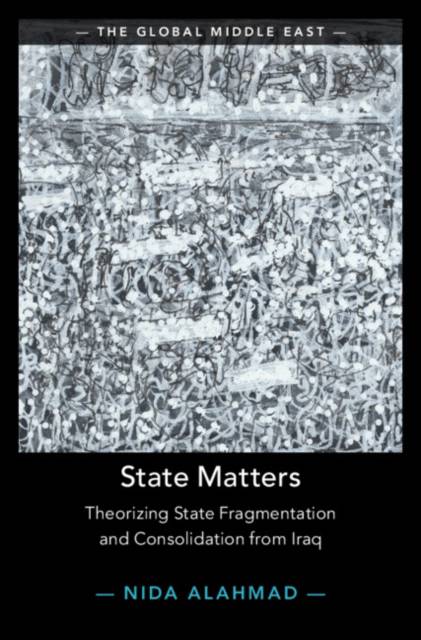
Why does the state matter to its people? How do people know and experience the state? And how did the state come to be both desired and dreaded by its subjects? This study offers a historically grounded social theoretical account of state consolidation in Iraq, from the foundation of the country as a League of Nations British Mandate in 1921 through to the post-2003 era. Through analysis of key historical episodes of state consolidation (and fragmentation) during the past century, Nida Alahmad argues that consolidation rests on two sequential and interdependent factors. First, domination: the state's capacity to dominate land and population. Second, legitimation: whereby the state is accepted and expected by the population to be the final arbitrator of collective life based on common principles. Moving between intellectual traditions and disciplines, Alahmad demonstrates that a theorization of state consolidation is a theorization of the modern state.
Specificaties
Betrokkenen
- Auteur(s):
- Uitgeverij:
Inhoud
- Aantal bladzijden:
- 258
- Taal:
- Engels
- Reeks:
Eigenschappen
- Productcode (EAN):
- 9781009674003
- Verschijningsdatum:
- 19/03/2026
- Uitvoering:
- Hardcover
- Formaat:
- Genaaid
- Afmetingen:
- 152 mm x 229 mm
- Gewicht:
- 512 g


Alleen bij Standaard Boekhandel
+ 374 punten op je klantenkaart van Standaard Boekhandel
Cadeau

AANGERADEN


Beoordelingen
We publiceren alleen reviews die voldoen aan de voorwaarden voor reviews. Bekijk onze voorwaarden voor reviews.