


- Afhalen na 1 uur in een winkel met voorraad
- Gratis thuislevering in België vanaf € 30
- Ruim aanbod met 7 miljoen producten
- Afhalen na 1 uur in een winkel met voorraad
- Gratis thuislevering in België vanaf € 30
- Ruim aanbod met 7 miljoen producten





€ 195,45
+ 390 punten
Omschrijving
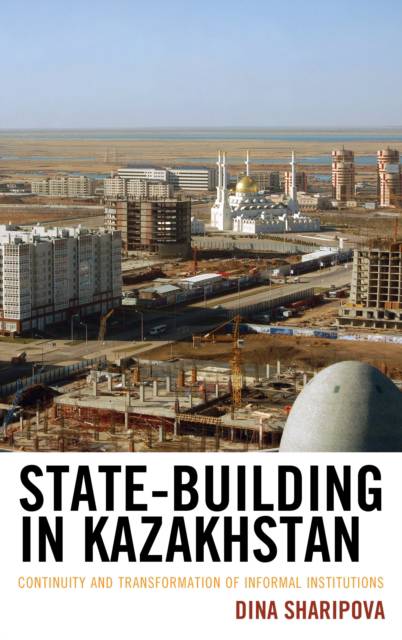
This book challenges the conventional wisdom that informal institutions--networks, clientelism, and connections--have to disappear in modern societies due to liberalization of the economy, rapid urbanization, and industrialization. The case of Kazakhstan shows that informal reciprocal institutions continue to play an important role in people's everyday lives. Liberalization of the economy and state retrenchment from the social sphere decreased the provision of public goods and social support to the population in the post-independence period. Limited access to state benefits has, in turn, stimulated people's engagement in informal reciprocal relations. The author investigates informal channels and mechanisms people use to gain access to quality public goods--education, housing, and healthcare. Comparing the Soviet and post-Soviet periods, the author shows that people are more likely to rely on family networks and clientelist relations rather than on help from the state to obtain scarce resources. The book provides an important contribution to the literature on informal institutions and explains the relationship between a formal welfare state and informal reciprocity.
Specificaties
Betrokkenen
- Auteur(s):
- Uitgeverij:
Inhoud
- Aantal bladzijden:
- 190
- Taal:
- Engels
- Reeks:
Eigenschappen
- Productcode (EAN):
- 9781498540568
- Verschijningsdatum:
- 5/07/2018
- Uitvoering:
- Hardcover
- Formaat:
- Genaaid
- Afmetingen:
- 155 mm x 231 mm
- Gewicht:
- 399 g



Alleen bij Standaard Boekhandel
+ 390 punten op je klantenkaart van Standaard Boekhandel
Cadeau

AANGERADEN


Beoordelingen
We publiceren alleen reviews die voldoen aan de voorwaarden voor reviews. Bekijk onze voorwaarden voor reviews.