


- Afhalen na 1 uur in een winkel met voorraad
- Gratis thuislevering in België vanaf € 30
- Ruim aanbod met 7 miljoen producten
- Afhalen na 1 uur in een winkel met voorraad
- Gratis thuislevering in België vanaf € 30
- Ruim aanbod met 7 miljoen producten





€ 19,95
+ 19 punten
Omschrijving
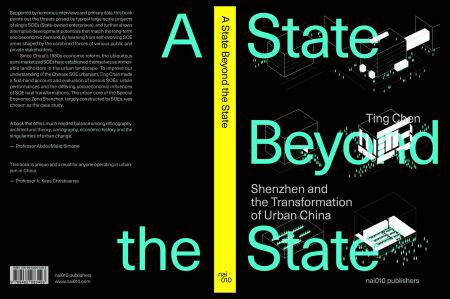
Supported by numerous interviews and primary data, this book points out the threats posed by typical large-scale projects of single SOEs (Stateowned enterprises), and further shows alternative development potentials that match the long-term socioeconomic demand, by learning from self-evolving SOE areas shaped by the combined forces of various public and private stakeholders.
Since China's 1980s economic reform, the ubiquitous semi-marketized SOEs have established themselves as immovable landholders in the urban landscape. To improve our understanding of the Chinese SOE urbanism, Ting Chen made a first-hand account and evaluation of various SOEs' urban performances and the differing socioeconomic influences of SOE land transformations. The urban core of the Special Economic Zone Shenzhen, largely constructed by SOEs, was chosen as the case study.
Since China's 1980s economic reform, the ubiquitous semi-marketized SOEs have established themselves as immovable landholders in the urban landscape. To improve our understanding of the Chinese SOE urbanism, Ting Chen made a first-hand account and evaluation of various SOEs' urban performances and the differing socioeconomic influences of SOE land transformations. The urban core of the Special Economic Zone Shenzhen, largely constructed by SOEs, was chosen as the case study.
Specificaties
Betrokkenen
- Auteur(s):
- Uitgeverij:
Inhoud
- Aantal bladzijden:
- 320
- Taal:
- Engels
Eigenschappen
- Productcode (EAN):
- 9789462083653
- Verschijningsdatum:
- 19/03/2018
- Uitvoering:
- E-book
- Beveiligd met:
- Digital watermarking
- Formaat:


Alleen bij Standaard Boekhandel
+ 19 punten op je klantenkaart van Standaard Boekhandel
Cadeau

AANGERADEN


Beoordelingen
We publiceren alleen reviews die voldoen aan de voorwaarden voor reviews. Bekijk onze voorwaarden voor reviews.