


- Afhalen na 1 uur in een winkel met voorraad
- Gratis thuislevering in België vanaf € 30
- Ruim aanbod met 7 miljoen producten
- Afhalen na 1 uur in een winkel met voorraad
- Gratis thuislevering in België vanaf € 30
- Ruim aanbod met 7 miljoen producten





Omschrijving
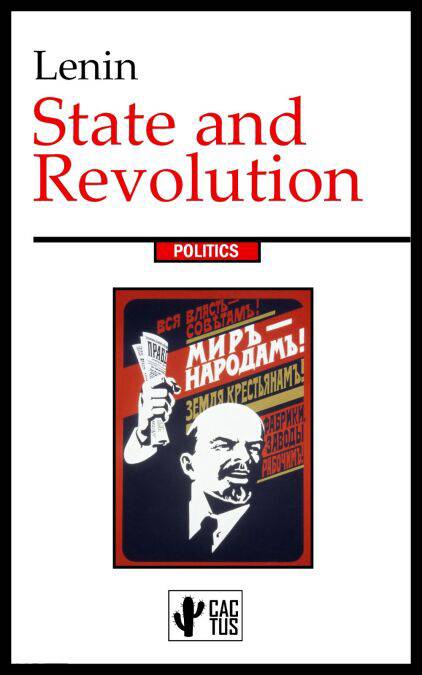
On the eve of the October Revolution, with the state machinery of the old order in collapse, V.I. Lenin penned his most concentrated work of political theory. State and Revolution is a forceful return to the core Marxist teachings on the state, arguing that it is not a neutral arbiter but an instrument of class oppression—"special bodies of armed men" serving the ruling class.
Lenin systematically dismantles reformist illusions, insisting that the proletariat cannot simply take over the existing bourgeois state; it must smash it. Drawing extensively from Marx and Engels, he outlines the necessity of a violent revolution to replace it with a new, transitional "dictatorship of the proletariat"—a state of the majority, which would begin to wither away immediately as class distinctions dissolve. He vividly imagines this new commune-state, where all officials are elected, paid average workers' wages, and subject to instant recall.
This is a practical manual for seizing and transforming power. Urgent, polemical, and uncompromising, State and Revolution articulates the philosophical and organizational justification for the Bolshevik path. It remains one of the most influential and controversial political manifestos ever written, a stark vision of the destruction of the old world and the fraught, uncertain birth of the new.
Lenin systematically dismantles reformist illusions, insisting that the proletariat cannot simply take over the existing bourgeois state; it must smash it. Drawing extensively from Marx and Engels, he outlines the necessity of a violent revolution to replace it with a new, transitional "dictatorship of the proletariat"—a state of the majority, which would begin to wither away immediately as class distinctions dissolve. He vividly imagines this new commune-state, where all officials are elected, paid average workers' wages, and subject to instant recall.
This is a practical manual for seizing and transforming power. Urgent, polemical, and uncompromising, State and Revolution articulates the philosophical and organizational justification for the Bolshevik path. It remains one of the most influential and controversial political manifestos ever written, a stark vision of the destruction of the old world and the fraught, uncertain birth of the new.
Specificaties
Betrokkenen
- Auteur(s):
- Uitgeverij:
Inhoud
- Taal:
- Engels
Eigenschappen
- Productcode (EAN):
- 9791256796427
- Verschijningsdatum:
- 29/01/2026
- Uitvoering:
- E-book
- Beveiligd met:
- Digital watermarking
- Formaat:
- ePub


Alleen bij Standaard Boekhandel
+ 2 punten op je klantenkaart van Standaard Boekhandel
Cadeau

AANGERADEN


Beoordelingen
We publiceren alleen reviews die voldoen aan de voorwaarden voor reviews. Bekijk onze voorwaarden voor reviews.