


- Afhalen na 1 uur in een winkel met voorraad
- Gratis thuislevering in België vanaf € 30
- Ruim aanbod met 7 miljoen producten
- Afhalen na 1 uur in een winkel met voorraad
- Gratis thuislevering in België vanaf € 30
- Ruim aanbod met 7 miljoen producten





€ 11,17
+ 11 punten
Omschrijving
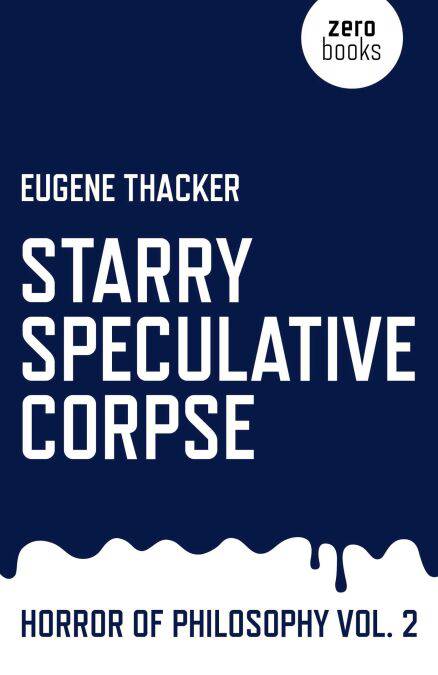
Could it be that the more we know about the world, the less we understand it? Could it be that, while everything has been explained, nothing has meaning?
Extending the ideas presented in his book In The Dust of This Planet, Eugene Thacker explores these and other issues in Starry Speculative Corpse. But instead of using philosophy to define or to explain the horror genre, Thacker reads works of philosophy as if they were horror stories themselves, revealing a rift between human beings and the unhuman world of which they are part. Along the way we see philosophers grappling with demons, struggling with doubt, and wrestling with an indifferent cosmos. At the center of it all is the philosophical drama of the human being confronting its own limits. Not a philosophy of horror, but a horror of philosophy. Thought that stumbles over itself, as if at the edge of an abyss.
Starry Speculative Corpse is the second volume of the "Horror of Philosophy" trilogy, together with the first volume, In The Dust of This Planet, and the third volume, Tentacles Longer Than Night.
Extending the ideas presented in his book In The Dust of This Planet, Eugene Thacker explores these and other issues in Starry Speculative Corpse. But instead of using philosophy to define or to explain the horror genre, Thacker reads works of philosophy as if they were horror stories themselves, revealing a rift between human beings and the unhuman world of which they are part. Along the way we see philosophers grappling with demons, struggling with doubt, and wrestling with an indifferent cosmos. At the center of it all is the philosophical drama of the human being confronting its own limits. Not a philosophy of horror, but a horror of philosophy. Thought that stumbles over itself, as if at the edge of an abyss.
Starry Speculative Corpse is the second volume of the "Horror of Philosophy" trilogy, together with the first volume, In The Dust of This Planet, and the third volume, Tentacles Longer Than Night.
Specificaties
Betrokkenen
- Auteur(s):
- Uitgeverij:
Inhoud
- Aantal bladzijden:
- 201
- Taal:
- Engels
Eigenschappen
- Productcode (EAN):
- 9781782798903
- Verschijningsdatum:
- 23/04/2015
- Uitvoering:
- E-book
- Beveiligd met:
- Adobe DRM
- Formaat:
- ePub


Alleen bij Standaard Boekhandel
+ 11 punten op je klantenkaart van Standaard Boekhandel
CADEAU


Beoordelingen
We publiceren alleen reviews die voldoen aan de voorwaarden voor reviews. Bekijk onze voorwaarden voor reviews.