


- Afhalen na 1 uur in een winkel met voorraad
- Gratis thuislevering in België vanaf € 30
- Ruim aanbod met 7 miljoen producten
- Afhalen na 1 uur in een winkel met voorraad
- Gratis thuislevering in België vanaf € 30
- Ruim aanbod met 7 miljoen producten





€ 80,45
+ 160 punten
Omschrijving
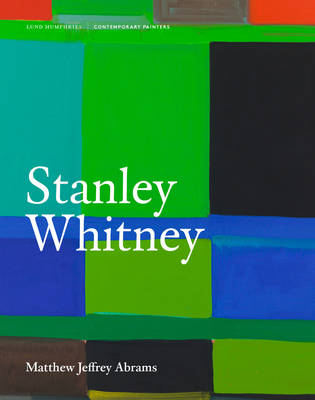
Since the mid-1970s, American painter Stanley Whitney has been exploring the formal possibilities of colour within grids of multi-coloured blocks. Matthew Jeffrey Abrams's thoughtful book, the first full monograph on the artist, highlights Whitney's unique and sophisticated understanding of line and colour and his commitment to abstract painting over four decades of consistent practice. Abrams brings together Whitney's personal and professional narratives to weave a chronological analysis of the work and the artist's wider cultural contribution. Born in Philadelphia in 1946, Whitney moved to New York in 1968, and under the guidance of Philip Guston he began to experiment with abstraction, drawn to the basic formal qualities of Abstract Expressionism, the pure chroma of the Color Field movement, and the minimalist approach of such artists as Donald Judd. Steadfastly pursuing abstraction at a time when critical interest was focussed on figurative art and photography, Whitney has not received the critical recognition due to him until late in his career. This book affirms his outstanding achievement.
Specificaties
Betrokkenen
- Auteur(s):
- Uitgeverij:
Inhoud
- Aantal bladzijden:
- 144
- Taal:
- Engels
- Reeks:
Eigenschappen
- Productcode (EAN):
- 9781848222519
- Verschijningsdatum:
- 1/10/2020
- Uitvoering:
- Hardcover
- Formaat:
- Genaaid
- Afmetingen:
- 244 mm x 284 mm
- Gewicht:
- 1043 g


Alleen bij Standaard Boekhandel
+ 160 punten op je klantenkaart van Standaard Boekhandel
Cadeau

AANGERADEN


Beoordelingen
We publiceren alleen reviews die voldoen aan de voorwaarden voor reviews. Bekijk onze voorwaarden voor reviews.