


- Afhalen na 1 uur in een winkel met voorraad
- Gratis thuislevering in België vanaf € 30
- Ruim aanbod met 7 miljoen producten
- Afhalen na 1 uur in een winkel met voorraad
- Gratis thuislevering in België vanaf € 30
- Ruim aanbod met 7 miljoen producten





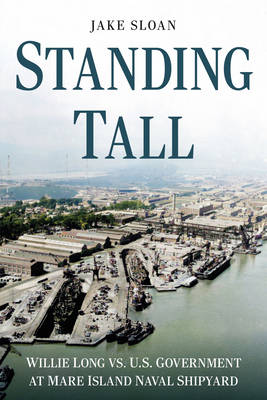
Standing Tall: Willie Long vs. U.S. Government at Mare Island Naval Shipyard
Jake Sloan
Paperback | Engels
€ 34,95
+ 69 punten
Omschrijving
Tells the inspiring story of how the "Original 21ers" led a successful protest for economic and social justice at Mare Island Naval Shipyard in the 1960s.
Standing Tall recalls a period in the early 1960s that is part of the social justice continuum in the U.S. This is the story of how Willie Long led a protest for economic and social justice at the Mare Island Naval Shipyard in Vallejo, California. The "Original 21ers" were a courageous group of African American workers willing to risk everything to create change. The inequities experienced at work and the churning energy of the Civil Rights Movement inspired them. This small group of men did the unthinkable by direct action against the U.S. Government. They challenged the largest West Coast United States naval base to provide equal opportunities and wages and WON! Through their actions, the "Original 21ers" influenced the Civil Rights Act of 1964, which, in part, prohibits employment discrimination based on race, color, religion, sex, or national origin. In so doing, their protest and action built part of the cornerstone upon which our twenty-first century economic justice movements are built.
Standing Tall recalls a period in the early 1960s that is part of the social justice continuum in the U.S. This is the story of how Willie Long led a protest for economic and social justice at the Mare Island Naval Shipyard in Vallejo, California. The "Original 21ers" were a courageous group of African American workers willing to risk everything to create change. The inequities experienced at work and the churning energy of the Civil Rights Movement inspired them. This small group of men did the unthinkable by direct action against the U.S. Government. They challenged the largest West Coast United States naval base to provide equal opportunities and wages and WON! Through their actions, the "Original 21ers" influenced the Civil Rights Act of 1964, which, in part, prohibits employment discrimination based on race, color, religion, sex, or national origin. In so doing, their protest and action built part of the cornerstone upon which our twenty-first century economic justice movements are built.
Specificaties
Betrokkenen
- Auteur(s):
- Uitgeverij:
Inhoud
- Aantal bladzijden:
- 112
- Taal:
- Engels
Eigenschappen
- Productcode (EAN):
- 9781634994699
- Verschijningsdatum:
- 31/07/2023
- Uitvoering:
- Paperback
- Formaat:
- Trade paperback (VS)
- Afmetingen:
- 155 mm x 231 mm
- Gewicht:
- 226 g


Alleen bij Standaard Boekhandel
+ 69 punten op je klantenkaart van Standaard Boekhandel
Cadeau

AANGERADEN


Beoordelingen
We publiceren alleen reviews die voldoen aan de voorwaarden voor reviews. Bekijk onze voorwaarden voor reviews.