


- Afhalen na 1 uur in een winkel met voorraad
- Gratis thuislevering in België vanaf € 30
- Ruim aanbod met 7 miljoen producten
- Afhalen na 1 uur in een winkel met voorraad
- Gratis thuislevering in België vanaf € 30
- Ruim aanbod met 7 miljoen producten





€ 59,45
+ 118 punten
Omschrijving
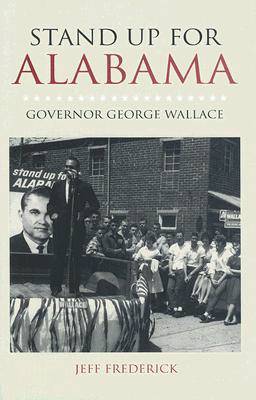
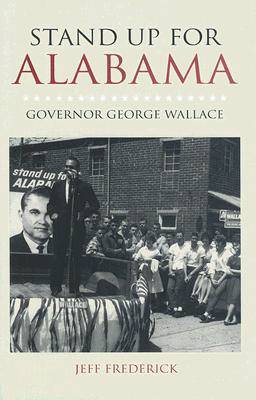
Whereas other studies have focused on George Wallace's career as a national figure, Stand Up for Alabama provides a detailed, comprehensive, and analytical study of Wallace's political life that emphasizes his activities and their impact within the state of Alabama. Jeff Frederick answers two fundamental questions: What was George Wallace's impact on the state of Alabama? Why did Alabamians continue to embrace him over a twenty-five year period? Using a variety of sources to document the state's performance in areas including mental health, education, conservation, prisons, and industrial development, Frederick answers question number one. He cites comparisons between Alabama and both peer states in the South and national averages. Wallace's policies improved the state, but only in relation to Alabama's past, not in relation to peer states in the region or national averages. As a result, energy was expended but little progress was made. To answer the second question, Frederick uses the words of Alabamians themselves through oral history, correspondence, letters to the editor, and other sources. Alabamians, white and eventually black, supported Wallace because race was but one of his appeals. Stand Up for Alabama shows that Wallace connected to Alabamians at a gut level, reminding them of their history and memory, championing their causes on the stump, and soothing their concerns about their place in the region and the nation. Jeff Frederick examines the development of policy during the Wallace administrations and documents relationships with his constituents in ways that go beyond racial politics. He also analyzes the connections between Wallace's career and Alabamians' understanding of their history, sense of morality, and class system. "Stand up for Alabama" was the governor's campaign slogan.
Specificaties
Betrokkenen
- Auteur(s):
- Uitgeverij:
Inhoud
- Aantal bladzijden:
- 490
- Taal:
- Engels
- Reeks:
Eigenschappen
- Productcode (EAN):
- 9780817315740
- Verschijningsdatum:
- 11/11/2007
- Uitvoering:
- Hardcover
- Formaat:
- Genaaid
- Afmetingen:
- 166 mm x 239 mm
- Gewicht:
- 970 g


Alleen bij Standaard Boekhandel
+ 118 punten op je klantenkaart van Standaard Boekhandel
Cadeau

AANGERADEN


Beoordelingen
We publiceren alleen reviews die voldoen aan de voorwaarden voor reviews. Bekijk onze voorwaarden voor reviews.