



Je cadeautjes zeker op tijd in huis hebben voor de feestdagen? Kom langs in onze winkels en vind het perfecte geschenk!
- Afhalen na 1 uur in een winkel met voorraad
- Gratis thuislevering in België vanaf € 30
- Ruim aanbod met 7 miljoen producten
Je cadeautjes zeker op tijd in huis hebben voor de feestdagen? Kom langs in onze winkels en vind het perfecte geschenk!
- Afhalen na 1 uur in een winkel met voorraad
- Gratis thuislevering in België vanaf € 30
- Ruim aanbod met 7 miljoen producten





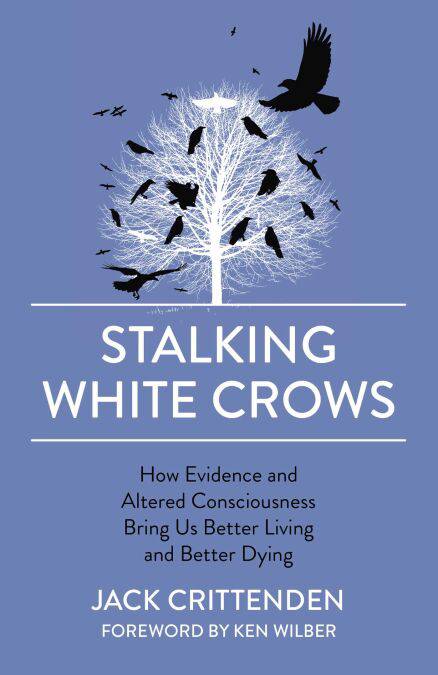
Stalking White Crows E-BOOK
How Evidence and Altered Consciousness Bring Us Better Living and Better Dying
Jack Crittenden
E-book | Engels
€ 14,53
+ 14 punten
Omschrijving
How making up our minds and the makeup of our minds can help us live better and die better. We live in a climate where feelings trump reason and evidence. Lies are treated as “alternative facts.” At the same time, it seems our culture does not want us to treat altered or higher states of consciousness seriously. Focusing both on evidence and on such states of consciousness can reorient our attitudes. Jack Crittenden asks the reader to think about life after death, about the basis of morality and the essence of spirituality, about the meaning of happiness, about the path of dying, and about the proper role of work in our lives and how education connects to that role. What if our memories, thoughts, and whole personality lived on after we died? What if morality were based on reasons and evidence and not on God and sacred texts? What if happiness lies not in what we think, how we feel, and what we long for, but in living in the present and in the dying of the self itself? Experiences of and the evidence on altered and higher states of consciousness can lead us to better lives and better deaths.
Specificaties
Betrokkenen
- Auteur(s):
- Uitgeverij:
Inhoud
- Aantal bladzijden:
- 328
- Taal:
- Engels
Eigenschappen
- Productcode (EAN):
- 9781789042191
- Verschijningsdatum:
- 13/12/2019
- Uitvoering:
- E-book
- Beveiligd met:
- Adobe DRM
- Formaat:
- ePub


Alleen bij Standaard Boekhandel
+ 14 punten op je klantenkaart van Standaard Boekhandel
CADEAU


Beoordelingen
We publiceren alleen reviews die voldoen aan de voorwaarden voor reviews. Bekijk onze voorwaarden voor reviews.