


- Afhalen na 1 uur in een winkel met voorraad
- Gratis thuislevering in België vanaf € 30
- Ruim aanbod met 7 miljoen producten
- Afhalen na 1 uur in een winkel met voorraad
- Gratis thuislevering in België vanaf € 30
- Ruim aanbod met 7 miljoen producten




Omschrijving
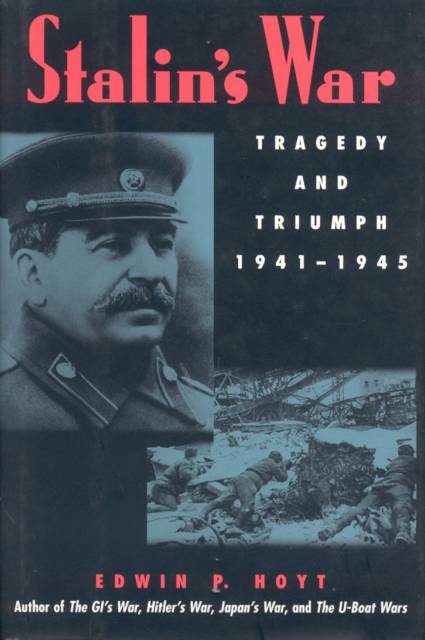
The battlefields of the USSR witnessed the most devastating confrontations of World War II. In every one of those battles, Communist dictator Josef Stalin exercised his influence, meddling with (and executing) his generals, hurling unprepared armies into pure chaos, and meeting with his Western allies to divide the world up into zones of influence that would soon be embroiled in a new war. World War II scholar Hoyt describes the war from Stalin's vantage point and shows how his decisions, especially his early refusal to go to war with Germany even after they attacked, led to the historic battles for Leningrad, Stalingrad, and Moscow. Hoyt also explains how Stalin's bloody purges before the war left a military bereft of leadership, yet opened the doors for Zhukov, Chuikov, Rokossovsky, and other crucial commanders to spearhead a Soviet victory. Stalin's War also examines Stalin's use of propaganda to vilify the German army and blame Soviet war crimes and human rights violations on the Nazis.
Specificaties
Betrokkenen
- Auteur(s):
- Uitgeverij:
Inhoud
- Aantal bladzijden:
- 320
- Taal:
- Engels
Eigenschappen
- Productcode (EAN):
- 9780815410324
- Verschijningsdatum:
- 13/01/2003
- Uitvoering:
- Hardcover
- Formaat:
- Genaaid
- Afmetingen:
- 166 mm x 240 mm
- Gewicht:
- 544 g


Alleen bij Standaard Boekhandel
Cadeau

AANGERADEN


Beoordelingen
We publiceren alleen reviews die voldoen aan de voorwaarden voor reviews. Bekijk onze voorwaarden voor reviews.