


- Afhalen na 1 uur in een winkel met voorraad
- Gratis thuislevering in België vanaf € 30
- Ruim aanbod met 7 miljoen producten
- Afhalen na 1 uur in een winkel met voorraad
- Gratis thuislevering in België vanaf € 30
- Ruim aanbod met 7 miljoen producten





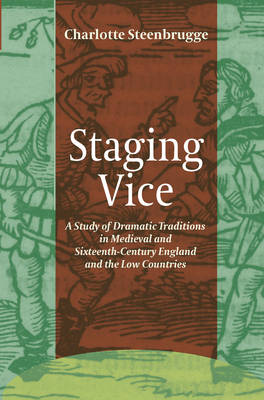
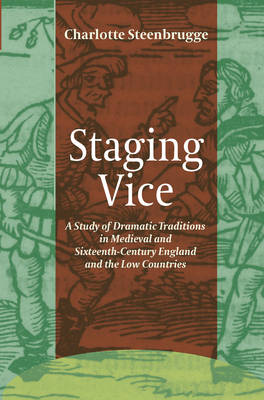
Staging Vice
A Study of Dramatic Traditions in Medieval and Sixteenth-Century England and the Low Countries
Charlotte Steenbrugge
€ 69,76
+ 139 punten
Omschrijving
Characters representing various sins and vices became the stars of their respective theatrical traditions in the course of the late medieval and early modern period in both the Low Countries and England. This study assesses the importance of such characters, and especially the English Vice and Dutch sinnekens, for our understanding of medieval and sixteenth-century Dutch and English drama by charting diachronic developments and through synchronic comparisons. The analysis of the functions as well as theatrical and meta-theatrical aspects of these characters reveals how these plays were conditioned by their literary and social setting. It sheds invaluable light on the subtly divergent appreciation of the concept of drama in these two regions and on their different use of drama as a didactic tool. In a wider perspective this study also investigates how the moral plays and their negative characters reflect the changes in the intellectual and religious climate of the fifteenth and sixteenth centuries.
Specificaties
Betrokkenen
- Auteur(s):
- Uitgeverij:
Inhoud
- Aantal bladzijden:
- 264
- Taal:
- Engels
- Reeks:
- Reeksnummer:
- nr. 13
Eigenschappen
- Productcode (EAN):
- 9789042038455
- Verschijningsdatum:
- 1/01/2014
- Uitvoering:
- Paperback
- Formaat:
- Trade paperback (VS)
- Afmetingen:
- 152 mm x 229 mm
- Gewicht:
- 394 g


Alleen bij Standaard Boekhandel
+ 139 punten op je klantenkaart van Standaard Boekhandel

Beoordelingen
We publiceren alleen reviews die voldoen aan de voorwaarden voor reviews. Bekijk onze voorwaarden voor reviews.