


- Afhalen na 1 uur in een winkel met voorraad
- Gratis thuislevering in België vanaf € 30
- Ruim aanbod met 7 miljoen producten
- Afhalen na 1 uur in een winkel met voorraad
- Gratis thuislevering in België vanaf € 30
- Ruim aanbod met 7 miljoen producten





€ 44,95
+ 89 punten
Omschrijving
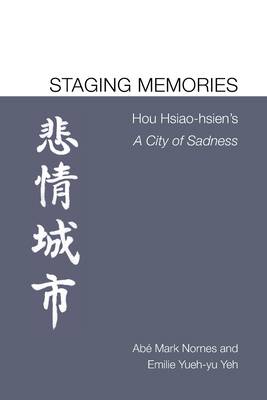
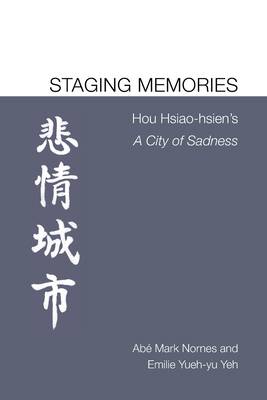
In Staging Memories, authors Abé Mark Nornes and Emilie Yeh present an updated study of Hou Hsiao-hsien's landmark contributions to Taiwanese and world cinema, with particular emphasis on A City of Sadness (Beiqing Chengshi), the winner of the Golden Lion award at the 1989 Venice Film Festival. Staging Memories is based on Narrating National Sadness, one of the first hypertext analyses in film studies, and its analysis is couched in a general history of Taiwan, the political massacre that A City of Sadness recreates, and the history of Taiwan New Cinema. This background information is crucial context for viewers, and one of the reasons teachers have long valued the hypertext version of the book. The body of the text analyzes Hou's style, representation of violence, and the complex manner in which he renders history in his oblique long-take style. The book ends with a chapter that examines a single sequence that unifies the various threads of the overall analysis.
Specificaties
Betrokkenen
- Auteur(s):
- Uitgeverij:
Inhoud
- Aantal bladzijden:
- 110
- Taal:
- Engels
Eigenschappen
- Productcode (EAN):
- 9781607853381
- Verschijningsdatum:
- 10/02/2015
- Uitvoering:
- Paperback
- Formaat:
- Trade paperback (VS)
- Afmetingen:
- 152 mm x 229 mm
- Gewicht:
- 158 g


Alleen bij Standaard Boekhandel
+ 89 punten op je klantenkaart van Standaard Boekhandel
Cadeau

AANGERADEN


Beoordelingen
We publiceren alleen reviews die voldoen aan de voorwaarden voor reviews. Bekijk onze voorwaarden voor reviews.