



- Afhalen na 1 uur in een winkel met voorraad
- In januari gratis thuislevering in België
- Ruim aanbod met 7 miljoen producten
- Afhalen na 1 uur in een winkel met voorraad
- In januari gratis thuislevering in België
- Ruim aanbod met 7 miljoen producten





€ 115,95
+ 231 punten
Omschrijving
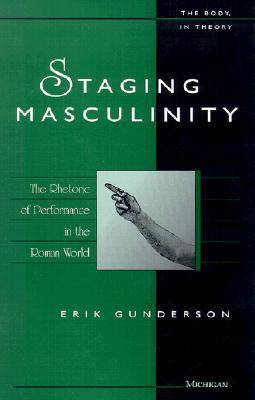
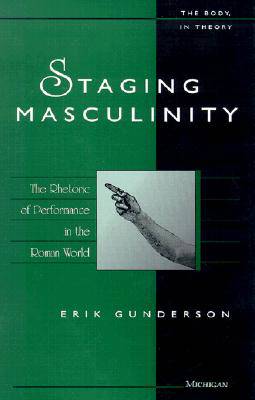
Performance was one of the five canonical branches of oratory in the classical period, but it presents special problems that distinguish it from concerns such as composition and memory. The ancient performer was supposed to be a "good man" and his performance a manifestation of an authentic and authoritative manliness. But how can the orator be distinguished from a mere actor? And what is the proper role for the body, given that it is a potential object of desire?
Erik Gunderson explores these and other questions in ancient rhetorical theory using a variety of theoretical approaches, drawing in particular on the works of Judith Butler, Michel Foucault, and Jacques Lacan. His study examines the status of rhetorical theory qua theory, the production of a specific version of body in the course of its theoretical description, oratory as a form of self-mastery, the actor as the orator's despised double, the dangers of homoerotic pleasure, and Cicero's De Oratore, as what good theory and practice ought to look like.
Erik Gunderson is Assistant Professor of Greek and Latin, Ohio State University.
Erik Gunderson explores these and other questions in ancient rhetorical theory using a variety of theoretical approaches, drawing in particular on the works of Judith Butler, Michel Foucault, and Jacques Lacan. His study examines the status of rhetorical theory qua theory, the production of a specific version of body in the course of its theoretical description, oratory as a form of self-mastery, the actor as the orator's despised double, the dangers of homoerotic pleasure, and Cicero's De Oratore, as what good theory and practice ought to look like.
Erik Gunderson is Assistant Professor of Greek and Latin, Ohio State University.
Specificaties
Betrokkenen
- Auteur(s):
- Uitgeverij:
Inhoud
- Aantal bladzijden:
- 288
- Taal:
- Engels
- Reeks:
Eigenschappen
- Productcode (EAN):
- 9780472111398
- Verschijningsdatum:
- 08/11/2000
- Uitvoering:
- Hardcover
- Formaat:
- Genaaid
- Afmetingen:
- 165 mm x 243 mm
- Gewicht:
- 635 g


Alleen bij Standaard Boekhandel
+ 231 punten op je klantenkaart van Standaard Boekhandel
Cadeau

AANGERADEN


Beoordelingen
We publiceren alleen reviews die voldoen aan de voorwaarden voor reviews. Bekijk onze voorwaarden voor reviews.