


- Afhalen na 1 uur in een winkel met voorraad
- Gratis thuislevering in België vanaf € 30
- Ruim aanbod met 7 miljoen producten
- Afhalen na 1 uur in een winkel met voorraad
- Gratis thuislevering in België vanaf € 30
- Ruim aanbod met 7 miljoen producten





€ 125,95
+ 251 punten
Uitvoering
Omschrijving
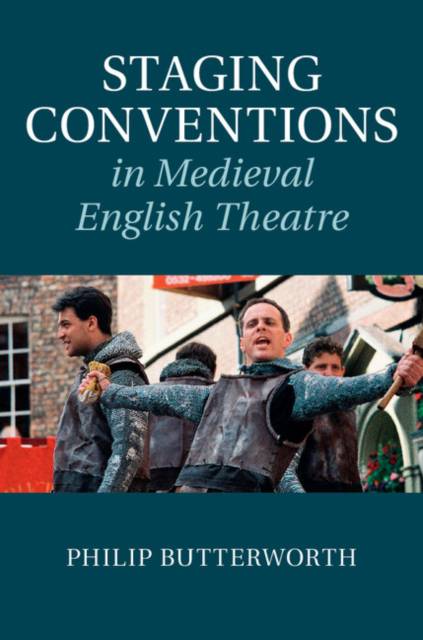
How was medieval English theatre performed? Many of the modern theatrical concepts and terms used today to discuss the nature of medieval English theatre were never used in medieval times. Concepts and terms such as character, characterisation, truth and belief, costume, acting style, amateur, professional, stage directions, effects and special effects are all examples of post-medieval terms that have been applied to the English theatre. Little has been written about staging conventions in the performance of medieval English theatre and the identity and value of these conventions has often been overlooked. In this book, Philip Butterworth analyses dormant evidence of theatrical processes such as casting, doubling of parts, rehearsing, memorising, cueing, entering, exiting, playing, expounding, prompting, delivering effects, timing, hearing, seeing and responding. All these concerns point to a very different kind of theatre to the naturalistic theatre produced today.
Specificaties
Betrokkenen
- Auteur(s):
- Uitgeverij:
Inhoud
- Aantal bladzijden:
- 283
- Taal:
- Engels
Eigenschappen
- Productcode (EAN):
- 9781107015487
- Verschijningsdatum:
- 11/08/2014
- Uitvoering:
- Hardcover
- Formaat:
- Genaaid
- Afmetingen:
- 150 mm x 229 mm
- Gewicht:
- 589 g


Alleen bij Standaard Boekhandel
+ 251 punten op je klantenkaart van Standaard Boekhandel
Cadeau

AANGERADEN


Beoordelingen
We publiceren alleen reviews die voldoen aan de voorwaarden voor reviews. Bekijk onze voorwaarden voor reviews.