


- Afhalen na 1 uur in een winkel met voorraad
- Gratis thuislevering in België vanaf € 30
- Ruim aanbod met 7 miljoen producten
- Afhalen na 1 uur in een winkel met voorraad
- Gratis thuislevering in België vanaf € 30
- Ruim aanbod met 7 miljoen producten





Omschrijving
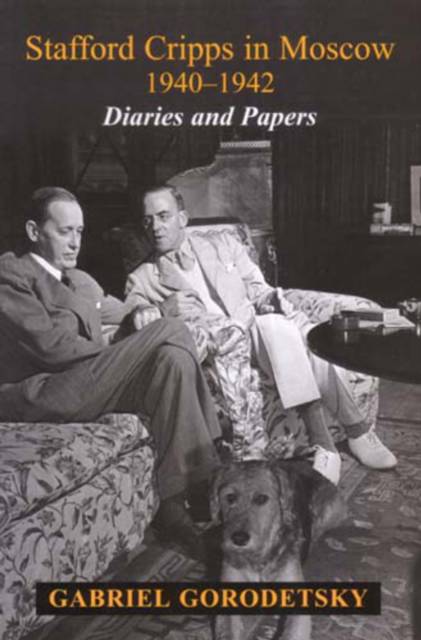
A country gentleman, Sir Stafford Cripps - ascetic, vegetarian, and a devout Christian with a lucrative career at the bar - cut an incongruous figure in British politics of the 1930s. By the time war broke out, his position among Labour's most radical backbenchers had made him an outcast. It was his fortuitous appointment as ambassador to Moscow in 1940 which secured for him a prominent position in the War Cabinet and later on a key role in Attlee's Labour government. His diary, which he meticulously kept while in Moscow, describes the metamorphosis in his political fortune. As significant is the witness he bears to the dramatic turnabouts of the war: the German-Soviet collaboration following the Ribbentrop-Molotov Pact, the perfidious German invasion of Russia on 22 June 1941, and the emergence of the Grand Alliance. The diary offers candid glimpses of diplomatic life in Moscow and of the Kremlin on the eve of the war and reflects the sombre mood in the following months as the Wehrmacht reached the gates of Moscow. On the political front, Cripps' diary reveals the controversy surrounding the forging and nature of the Grand Alliance, which was deliberately glossed over in the memoirs of Winston Churchill. A sharp critic of Churchill's political vision, Cripps foresaw the emergence of a conflict between the Allies which he hoped to avert by devising a common strategy, and by formulating clear and perceptive guidelines for the post-war settlement. [Politics, History]
Specificaties
Betrokkenen
- Auteur(s):
- Uitgeverij:
Inhoud
- Aantal bladzijden:
- 253
- Taal:
- Engels
- Reeks:
- Reeksnummer:
- nr. 10
Eigenschappen
- Productcode (EAN):
- 9780853037392
- Verschijningsdatum:
- 3/04/2007
- Uitvoering:
- Hardcover
- Formaat:
- Genaaid
- Afmetingen:
- 165 mm x 241 mm
- Gewicht:
- 562 g



Alleen bij Standaard Boekhandel
+ 53 punten op je klantenkaart van Standaard Boekhandel
AANGERADEN


Beoordelingen
We publiceren alleen reviews die voldoen aan de voorwaarden voor reviews. Bekijk onze voorwaarden voor reviews.