


- Afhalen na 1 uur in een winkel met voorraad
- Gratis thuislevering in België vanaf € 30
- Ruim aanbod met 7 miljoen producten
- Afhalen na 1 uur in een winkel met voorraad
- Gratis thuislevering in België vanaf € 30
- Ruim aanbod met 7 miljoen producten





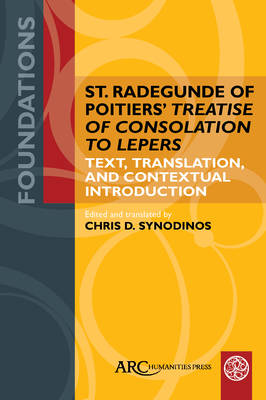
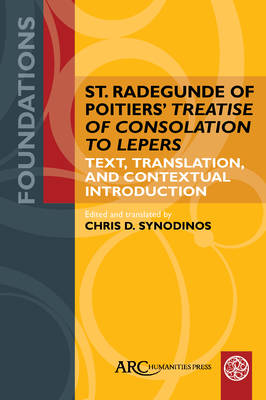
St. Radegunde of Poitiers' Treatise of Consolation to Lepers
Text, Translation, and Contextual Introduction
€ 52,95
+ 105 punten
Omschrijving
This book presents the first English translation of an important early work on the subject of disability and human suffering. Dating from about the sixth century AD, and previously unidentified or attributed to Ps.-Basil, the text was intended as a sermon of comfort for victims of leprosy. An incurable and socially marginalizing affliction known to all ancient cultures, this disease defined its victims as "unclean," as distinct from other sicknesses. A consolatory sermon, this treatise shares some features with the pre-Christian literary genre of consolation. The writer speaks to the lepers with words of comfort beyond their present suffering and reminds them of the glorious new body they will have in the resurrection. Synodinos shows that this treatise was the work of St. Radegunde of Poitiers, a monastic Frankish queen who lived a life of self-denial and whose significance deserves to be better understood.
Specificaties
Betrokkenen
- Vertaler(s):
- Uitgeverij:
Inhoud
- Aantal bladzijden:
- 118
- Taal:
- Engels
- Reeks:
Eigenschappen
- Productcode (EAN):
- 9781802703412
- Verschijningsdatum:
- 30/06/2026
- Uitvoering:
- Paperback
- Formaat:
- Trade paperback (VS)
- Afmetingen:
- 152 mm x 229 mm

Alleen bij Standaard Boekhandel
+ 105 punten op je klantenkaart van Standaard Boekhandel
AANGERADEN


Beoordelingen
We publiceren alleen reviews die voldoen aan de voorwaarden voor reviews. Bekijk onze voorwaarden voor reviews.