



- Afhalen na 1 uur in een winkel met voorraad
- In januari gratis thuislevering in België
- Ruim aanbod met 7 miljoen producten
- Afhalen na 1 uur in een winkel met voorraad
- In januari gratis thuislevering in België
- Ruim aanbod met 7 miljoen producten





€ 195,45
+ 390 punten
Omschrijving
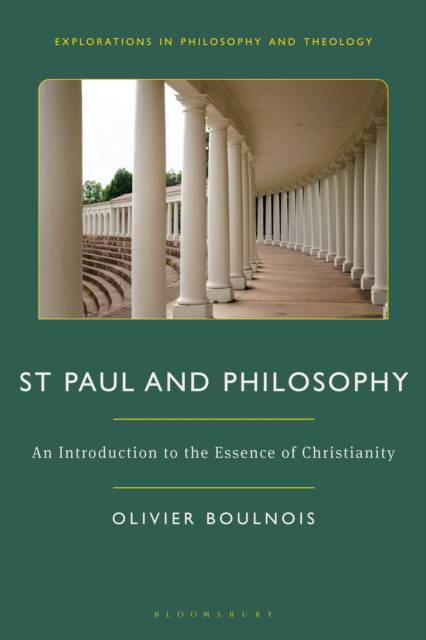
Olivier Boulnois investigates the relation between Paul, as apostle of Jesus Christ, and the philosophy at work in his letters. Boulnois lays bare the manner in which Paul adapts Greek thought to his own purposes. This sheds light on the work of an entire range of philosophers who have identified themselves with the Pauline effort to hold thinking open to the claims of Christian life and doctrine, from Augustine to Kierkegaard, as well as more recent figures who have engaged Paul from a greater distance, including Heidegger and Ricoeur. Boulnois also draws on modern and contemporary scholarship, and reveals his reservations about the turn to Paul appearing in European philosophy in the work of such thinkers as Agamben and Badiou. Successive chapters take up Paul's logic of the Cross; cosmology; approaches to being in the world, law, evil and good; messianism; salvation and history.
Originally delivered as a series of lectures at Cambridge and at the Institut Catholique de Paris, St Paul and Philosophy is at once a painstaking study of Paul's own thinking and an open exploration of its continued relevance for modern and contemporary reflection on Christian religion. This book is an important demonstration that theology and philosophy are at their best when brought into dialogue with one another around perennial questions and themes.Specificaties
Betrokkenen
- Auteur(s):
- Vertaler(s):
- Uitgeverij:
Inhoud
- Aantal bladzijden:
- 160
- Taal:
- Engels
- Reeks:
Eigenschappen
- Productcode (EAN):
- 9781350469976
- Verschijningsdatum:
- 11/12/2025
- Uitvoering:
- Hardcover
- Formaat:
- Genaaid
- Afmetingen:
- 156 mm x 234 mm
- Gewicht:
- 403 g



Alleen bij Standaard Boekhandel
+ 390 punten op je klantenkaart van Standaard Boekhandel
Cadeau

AANGERADEN


Beoordelingen
We publiceren alleen reviews die voldoen aan de voorwaarden voor reviews. Bekijk onze voorwaarden voor reviews.