


- Afhalen na 1 uur in een winkel met voorraad
- Gratis thuislevering in België vanaf € 30
- Ruim aanbod met 7 miljoen producten
- Afhalen na 1 uur in een winkel met voorraad
- Gratis thuislevering in België vanaf € 30
- Ruim aanbod met 7 miljoen producten





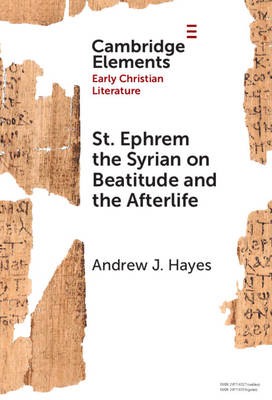
Omschrijving
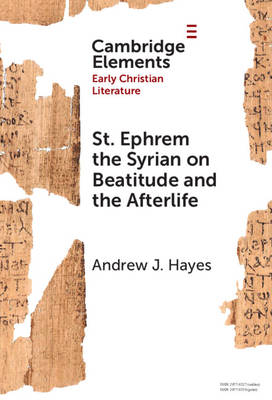
The poetry of Ephrem the Syrian abounds with vivid symbols for the conclusion of salvation history, which forms a path leading from Paradise back to God. His transfiguring glory-light nourishes and enriches the blessed. Those in Gehenna behold the same goal, yet due to self-inflicted inner blindness, they experience it in opposite fashion. Ephrem's eschatology takes shape along the relation between creator and creature rather than along the contrast between particular and universal outcomes. This Element argues that freedom's capacity for transformative growth in relation to God, even post mortem, establishes Ephrem's coherent epektatic account of blessedness, rooted in the quasi-infinite character of human desire despite the finitude of human effort. Freedom's inherent uncertainty makes the salvation of all unknowable. Ephrem refuses to collapse definitively the polarity between creator and creature. Yet a person's freedom remains capable, with divine assistance, of repentance and growth even in Gehenna.
Specificaties
Betrokkenen
- Auteur(s):
- Uitgeverij:
Inhoud
- Aantal bladzijden:
- 75
- Taal:
- Engels
- Reeks:
Eigenschappen
- Productcode (EAN):
- 9781009515382
- Verschijningsdatum:
- 04/06/2026
- Uitvoering:
- Hardcover
- Formaat:
- Genaaid


Alleen bij Standaard Boekhandel
+ 158 punten op je klantenkaart van Standaard Boekhandel
Cadeau

AANGERADEN


Beoordelingen
We publiceren alleen reviews die voldoen aan de voorwaarden voor reviews. Bekijk onze voorwaarden voor reviews.