


- Afhalen na 1 uur in een winkel met voorraad
- Gratis thuislevering in België vanaf € 30
- Ruim aanbod met 7 miljoen producten
- Afhalen na 1 uur in een winkel met voorraad
- Gratis thuislevering in België vanaf € 30
- Ruim aanbod met 7 miljoen producten





€ 18,99
+ 18 punten
Uitvoering
Eenvoudig bestellen
Veilig betalen


Onmiddellijk geleverd via e-mail
Omschrijving
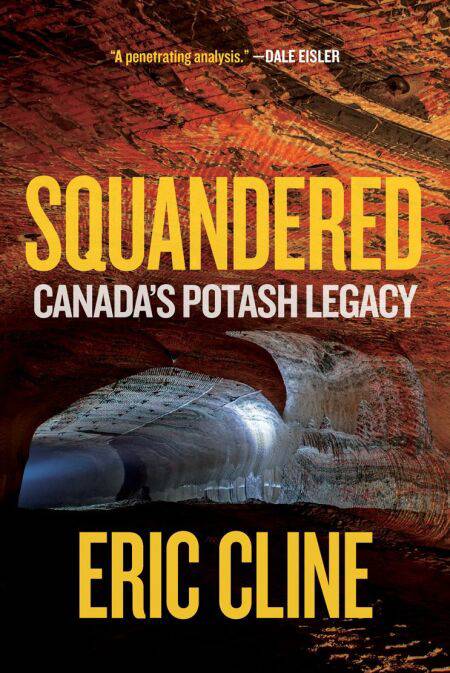
An exposé of the reality of Saskatchewan’s potash industry management—prioritizing private profit over public interest
A single province in Canada—Saskatchewan—is blessed with a remarkable birthright: 50% of the world’s potash reserves.
Potassium is a necessary ingredient of the fertilizer required to feed a growing world population. Accordingly, prices and corporate profits have soared to unprecedented levels in recent decades. While other countries such as Saudi Arabia and Norway have taken steps to capture the value of their natural resources for their people, Saskatchewan has failed to leverage the value of its potash and has given much of it up for an inadequate price.
Billions of dollars of forgone revenue has resulted in tax unfairness, program underfunding and malfunction, and a growing and worrying divide between the affluent and the very poor. Analysts from across the political spectrum have identified this revenue problem, as well as a straightforward solution. Unfortunately, the Saskatchewan government has declined to review the situation and instead seems to rely upon the advice of the industry itself. The province now faces the game-changing issue of how to tax appropriately the small number of multinational conglomerates that now own these potash mines. Whether or not the province obtains reasonable value for its potash will determine whether Saskatchewan will be a place of opportunity for all of its citizens or continue on a path of wealth for a few and extreme poverty for many.
A single province in Canada—Saskatchewan—is blessed with a remarkable birthright: 50% of the world’s potash reserves.
Potassium is a necessary ingredient of the fertilizer required to feed a growing world population. Accordingly, prices and corporate profits have soared to unprecedented levels in recent decades. While other countries such as Saudi Arabia and Norway have taken steps to capture the value of their natural resources for their people, Saskatchewan has failed to leverage the value of its potash and has given much of it up for an inadequate price.
Billions of dollars of forgone revenue has resulted in tax unfairness, program underfunding and malfunction, and a growing and worrying divide between the affluent and the very poor. Analysts from across the political spectrum have identified this revenue problem, as well as a straightforward solution. Unfortunately, the Saskatchewan government has declined to review the situation and instead seems to rely upon the advice of the industry itself. The province now faces the game-changing issue of how to tax appropriately the small number of multinational conglomerates that now own these potash mines. Whether or not the province obtains reasonable value for its potash will determine whether Saskatchewan will be a place of opportunity for all of its citizens or continue on a path of wealth for a few and extreme poverty for many.
Specificaties
Betrokkenen
- Auteur(s):
- Uitgeverij:
Inhoud
- Aantal bladzijden:
- 176
- Taal:
- Engels
Eigenschappen
- Productcode (EAN):
- 9780889779709
- Verschijningsdatum:
- 19/03/2024
- Uitvoering:
- E-book
- Beveiligd met:
- Digital watermarking
- Formaat:


Alleen bij Standaard Boekhandel
+ 18 punten op je klantenkaart van Standaard Boekhandel
CADEAU

AANGERADEN


Beoordelingen
We publiceren alleen reviews die voldoen aan de voorwaarden voor reviews. Bekijk onze voorwaarden voor reviews.