


- Afhalen na 1 uur in een winkel met voorraad
- Gratis thuislevering in België vanaf € 30
- Ruim aanbod met 7 miljoen producten
- Afhalen na 1 uur in een winkel met voorraad
- Gratis thuislevering in België vanaf € 30
- Ruim aanbod met 7 miljoen producten





€ 225,45
+ 450 punten
Omschrijving
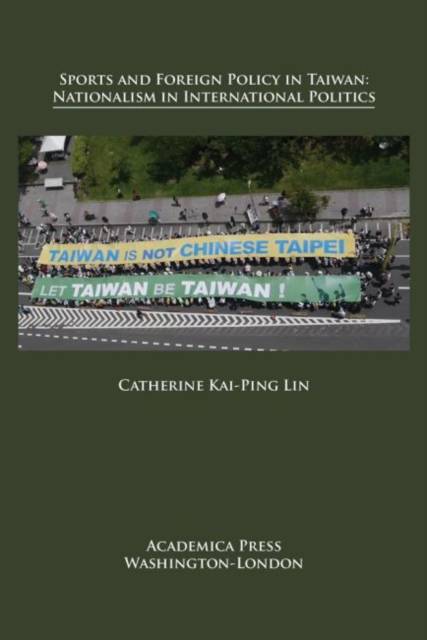
In this exciting new book, Taiwanese scholar Catherine Kai-Ping Lin examines Taiwan's diplomatic history since the 1970s through the lens of sports in the development of nationalism in foreign relations. Since 1971, when Taiwan lost its United Nations seat to the communist People's Republic of China, the country has gradually shifted its foreign policy. Originally following its "One-China Policy" -- conquering the mainland and reunifying China, -- Taiwan has more recently promoted its status as an independent country amid an international atmosphere in which it does not enjoy diplomatic recognition. Presenting a highly original chronological case study of the role of sports in the making of Taiwan's foreign policy, Lin aims to enrich our understanding of Taiwan's unique position in the world by arguing that nationalist forces within the Taiwanese government - all the way up to its top leadership -- used athletic competition to promote Taiwanese nationalism and nationhood.
Specificaties
Betrokkenen
- Auteur(s):
- Uitgeverij:
Inhoud
- Aantal bladzijden:
- 350
- Taal:
- Engels
- Reeks:
Eigenschappen
- Productcode (EAN):
- 9781680531466
- Verschijningsdatum:
- 15/06/2019
- Uitvoering:
- Hardcover
- Formaat:
- Genaaid
- Afmetingen:
- 160 mm x 234 mm
- Gewicht:
- 589 g


Alleen bij Standaard Boekhandel
+ 450 punten op je klantenkaart van Standaard Boekhandel

Beoordelingen
We publiceren alleen reviews die voldoen aan de voorwaarden voor reviews. Bekijk onze voorwaarden voor reviews.