


- Afhalen na 1 uur in een winkel met voorraad
- Gratis thuislevering in België vanaf € 30
- Ruim aanbod met 7 miljoen producten
- Afhalen na 1 uur in een winkel met voorraad
- Gratis thuislevering in België vanaf € 30
- Ruim aanbod met 7 miljoen producten





€ 89,95
+ 179 punten
Omschrijving
This book is available as open access through the Bloomsbury Open Access programme and is available on www.bloomsburycollections.com.
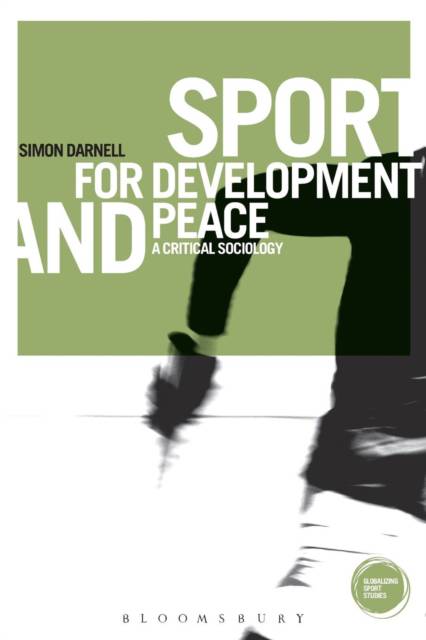
The role of sport in development initiatives has grown dramatically over the last five years, now finding a place in the UN's millennium development goals. In Sport and Development for Peace, Simon Darnell outlines the most recent sociological research on the role of sport in development initiatives. The book analyses the relationship between sport and international development and looks at what this reveals about socio-political economy. It addresses a gap in the literature by focusing on issues of politics, power and culture, particularly looking at volunteer experience, mega-sporting events and sporting celebrity in the context of development. Darnell questions the belief that sport can offer a 'solution' to enduring development issues. Drawing on the latest empirical research, the book is a thorough and timely analysis of the social and political implications of tying sport to development.Specificaties
Betrokkenen
- Auteur(s):
- Uitgeverij:
Inhoud
- Aantal bladzijden:
- 192
- Taal:
- Engels
- Reeks:
Eigenschappen
- Productcode (EAN):
- 9781472539540
- Verschijningsdatum:
- 19/12/2013
- Uitvoering:
- Paperback
- Formaat:
- Trade paperback (VS)
- Afmetingen:
- 156 mm x 234 mm
- Gewicht:
- 276 g



Alleen bij Standaard Boekhandel
+ 179 punten op je klantenkaart van Standaard Boekhandel
Cadeau

AANGERADEN


Beoordelingen
We publiceren alleen reviews die voldoen aan de voorwaarden voor reviews. Bekijk onze voorwaarden voor reviews.