


- Afhalen na 1 uur in een winkel met voorraad
- Gratis thuislevering in België vanaf € 30
- Ruim aanbod met 7 miljoen producten
- Afhalen na 1 uur in een winkel met voorraad
- Gratis thuislevering in België vanaf € 30
- Ruim aanbod met 7 miljoen producten





€ 79,50
+ 159 punten
Omschrijving
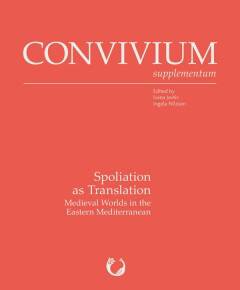
The articles gathered in this special issue of Convivium offer a variety of perspectives - history of medieval art, architecture, literary studies - that explore the relations between spoliation and translation, with a particular focus on the interconnections and similarities between material/artistic and textual/literary cultures. Building on current research in spolia and translation studies, these contributions respond to the increasing interest in and popularity of these two topics in recent scholarship. A conceptual point of departure is that reuse and translation represent two crucial processes facilitating cultural dialogues and exchanges across time and space. Material and textual spolia fascinate us, because they provide various means and levels of engagement with the past with a tangible form, sometimes of an ambivalent nature. Objects, artefacts, buildings, and texts have been subject to constant reworkings, through which they have been interpreted and translated: old stories gain new significance in new contexts, just as old objects gain new meanings in new settings. The aim of this collection is to foster a better understanding of such processes and, at the same time, of the history of the medieval worlds of the Eastern Mediterranean, which is marked by constant cross-cultural encounters and interactions.
Specificaties
Betrokkenen
- Auteur(s):
- Uitgeverij:
Inhoud
- Aantal bladzijden:
- 201
- Taal:
- Engels
- Reeks:
- Reeksnummer:
- nr. 7
Eigenschappen
- Productcode (EAN):
- 9788021099234
- Verschijningsdatum:
- 29/10/2021
- Uitvoering:
- Paperback
- Formaat:
- Trade paperback (VS)
- Afmetingen:
- 214 mm x 268 mm
- Gewicht:
- 1478 g


Alleen bij Standaard Boekhandel
+ 159 punten op je klantenkaart van Standaard Boekhandel
CADEAU

AANGERADEN


Beoordelingen
We publiceren alleen reviews die voldoen aan de voorwaarden voor reviews. Bekijk onze voorwaarden voor reviews.