


- Afhalen na 1 uur in een winkel met voorraad
- Gratis thuislevering in België vanaf € 30
- Ruim aanbod met 7 miljoen producten
- Afhalen na 1 uur in een winkel met voorraad
- Gratis thuislevering in België vanaf € 30
- Ruim aanbod met 7 miljoen producten





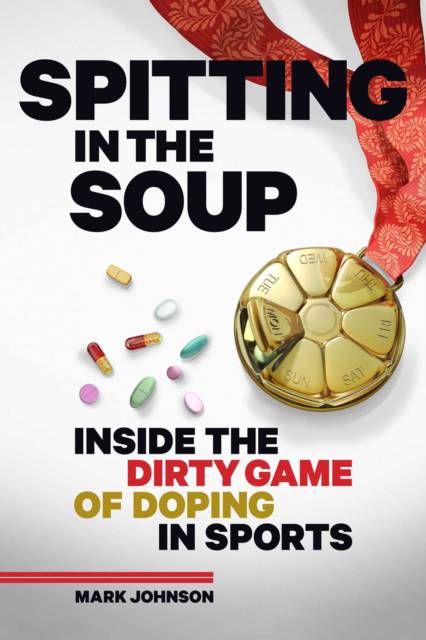
Spitting in the Soup: Inside the Dirty Game of Doping in Sport
Inside the Dirty Game of Doping in Sports
Mark Johnson
Hardcover | Engels
€ 34,95
+ 69 punten
Omschrijving
Doping is as old as organized sports. From baseball to horse racing, cycling to track and field, drugs have been used to enhance performance for 150 years. For much of that time, doping to do better was expected. It was doping to throw a game that stirred outrage.
Today, though, athletes are vilified for using performance-enhancing drugs. Damned as moral deviants who shred the fair-play fabric, dopers are an affront to the athletes who don't take shortcuts.
But this tidy view swindles sports fans. While we may want the world sorted into villains and victims, putting the blame on athletes alone ignores decades of history in which teams, coaches, governments, the media, scientists, sponsors, sports federations, and even spectators have played a role. The truth about doping in sports is messy and shocking because it holds a mirror to our own reluctance to spit in the soupthat is, to tell the truth about the spectacle we crave.
In Spitting in the Soup, sports journalist Mark Johnson explores how the deals made behind closed doors keep drugs in sports. Johnson unwinds the doping culture from the early days, when pills meant progress, and uncovers the complex relationships that underlie elite sports culturethe essence of which is not to play fair but to push the boundaries of human performance.
It's easy to assume that drugs in sports have always been frowned upon, but that's not true. Drugs in sports are old. It's banning drugs in sports that is new. Spitting in the Soup offers a bitingly honest, clear-eyed look at why that's so, and what it will take to kick pills out of the locker room once and for all.
Today, though, athletes are vilified for using performance-enhancing drugs. Damned as moral deviants who shred the fair-play fabric, dopers are an affront to the athletes who don't take shortcuts.
But this tidy view swindles sports fans. While we may want the world sorted into villains and victims, putting the blame on athletes alone ignores decades of history in which teams, coaches, governments, the media, scientists, sponsors, sports federations, and even spectators have played a role. The truth about doping in sports is messy and shocking because it holds a mirror to our own reluctance to spit in the soupthat is, to tell the truth about the spectacle we crave.
In Spitting in the Soup, sports journalist Mark Johnson explores how the deals made behind closed doors keep drugs in sports. Johnson unwinds the doping culture from the early days, when pills meant progress, and uncovers the complex relationships that underlie elite sports culturethe essence of which is not to play fair but to push the boundaries of human performance.
It's easy to assume that drugs in sports have always been frowned upon, but that's not true. Drugs in sports are old. It's banning drugs in sports that is new. Spitting in the Soup offers a bitingly honest, clear-eyed look at why that's so, and what it will take to kick pills out of the locker room once and for all.
Specificaties
Betrokkenen
- Auteur(s):
- Uitgeverij:
Inhoud
- Aantal bladzijden:
- 320
- Taal:
- Engels
Eigenschappen
- Productcode (EAN):
- 9781937715274
- Verschijningsdatum:
- 1/07/2016
- Uitvoering:
- Hardcover
- Formaat:
- Genaaid
- Afmetingen:
- 157 mm x 231 mm
- Gewicht:
- 725 g


Alleen bij Standaard Boekhandel
+ 69 punten op je klantenkaart van Standaard Boekhandel
Cadeau

AANGERADEN


Beoordelingen
We publiceren alleen reviews die voldoen aan de voorwaarden voor reviews. Bekijk onze voorwaarden voor reviews.