


- Afhalen na 1 uur in een winkel met voorraad
- Gratis thuislevering in België vanaf € 30
- Ruim aanbod met 7 miljoen producten
- Afhalen na 1 uur in een winkel met voorraad
- Gratis thuislevering in België vanaf € 30
- Ruim aanbod met 7 miljoen producten





€ 40,45
+ 80 punten
Omschrijving
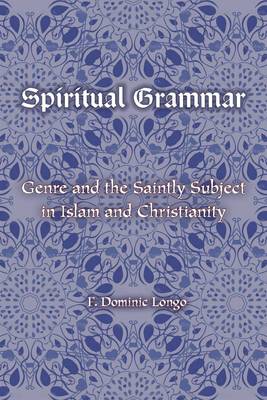
Spiritual Grammar identifies a genre of religious literature that until now has not been recognized as such. In this surprising and theoretically nuanced study, F. Dominic Longo reveals how grammatical structures of language addressed in two medieval texts published nearly four centuries apart, from distinct religious traditions, offer a metaphor for how the self is embedded in spiritual reality. Reading The Grammar of Hearts (Nahw al-qulūb) by the great Sufi shaykh and Islamic scholar 'Abd al-Karīm al-Qushayrī (d. 1074) and Moralized Grammar (Donatus moralizatus) by Christian theologian Jean Gerson (d. 1429), Longo reveals how both authors use the rules of language and syntax to advance their pastoral goals. Indeed, grammar provides the two masters with a fresh way of explaining spiritual reality to their pupils and to discipline the souls of their readers in the hopes that their writings would make others adept in the grammar of the heart.
Specificaties
Betrokkenen
- Auteur(s):
- Uitgeverij:
Inhoud
- Aantal bladzijden:
- 256
- Taal:
- Engels
- Reeks:
- Reeksnummer:
- nr. 4
Eigenschappen
- Productcode (EAN):
- 9780823283699
- Verschijningsdatum:
- 4/06/2019
- Uitvoering:
- Paperback
- Formaat:
- Trade paperback (VS)
- Afmetingen:
- 152 mm x 229 mm
- Gewicht:
- 458 g


Alleen bij Standaard Boekhandel
+ 80 punten op je klantenkaart van Standaard Boekhandel
AANGERADEN


Beoordelingen
We publiceren alleen reviews die voldoen aan de voorwaarden voor reviews. Bekijk onze voorwaarden voor reviews.