


- Afhalen na 1 uur in een winkel met voorraad
- Gratis thuislevering in België vanaf € 30
- Ruim aanbod met 7 miljoen producten
- Afhalen na 1 uur in een winkel met voorraad
- Gratis thuislevering in België vanaf € 30
- Ruim aanbod met 7 miljoen producten





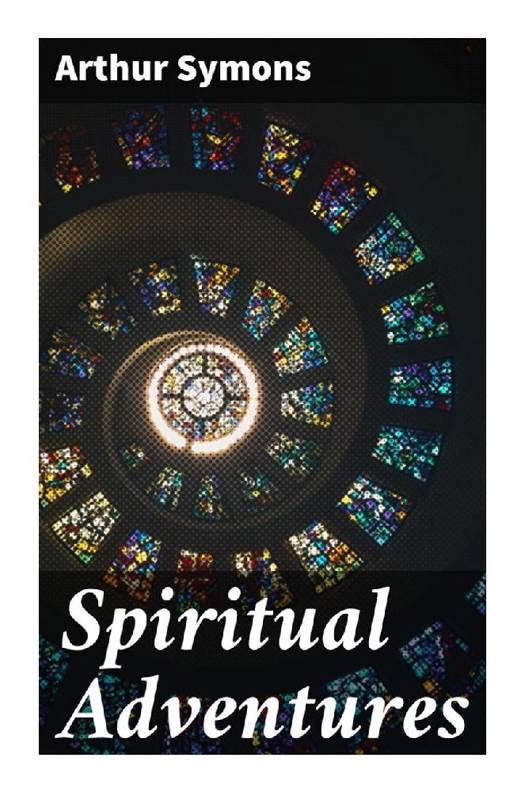
Spiritual Adventures
Symbolist Prose Sketches of Art, Desire, Faith, and the Mystical Inner Life
Arthur Symons
Paperback | Engels
€ 9,45
+ 18 punten
Eenvoudig bestellen
Veilig betalen


Gratis thuislevering vanaf € 30 (via bpost)
Gratis levering in je Standaard Boekhandel
Omschrijving
Arthur Symons's Spiritual Adventures is a sequence of finely wrought prose studies in which outward incident matters less than the tremor of consciousness it releases. Its "adventures" are inward: encounters with art, desire, faith, memory, and the occult pressures of personality. Written in a lucid yet suggestive style, the book belongs to the fin-de-siècle world of Decadence and Symbolism, where narrative becomes a vessel for sensation, spiritual unrest, and aesthetic revelation. Symons, poet, critic, and one of the chief English interpreters of French Symbolism, was uniquely equipped to write such a work. His landmark study The Symbolist Movement in Literature had introduced English readers to Baudelaire, Verlaine, Mallarmé, and their heirs. A cosmopolitan observer of theatre, music, cities, and nervous modern life, Symons brought to fiction the critic's subtlety and the poet's ear for hidden correspondences. This book is recommended to readers interested in psychological fiction, Symbolist prose, and the spiritual anxieties of late Victorian and Edwardian literature. It rewards patient reading, offering not conventional plots but rare illuminations of the soul under aesthetic and emotional pressure.
Specificaties
Betrokkenen
- Auteur(s):
- Uitgeverij:
Inhoud
- Taal:
- Engels
Eigenschappen
- Productcode (EAN):
- 9788027289653
- Uitvoering:
- Paperback
- Afmetingen:
- 152 mm x 229 mm
- Gewicht:
- 148 g


Alleen bij Standaard Boekhandel
+ 18 punten op je klantenkaart van Standaard Boekhandel
CADEAU

AANGERADEN


Beoordelingen
We publiceren alleen reviews die voldoen aan de voorwaarden voor reviews. Bekijk onze voorwaarden voor reviews.