


- Afhalen na 1 uur in een winkel met voorraad
- Gratis thuislevering in België vanaf € 30
- Ruim aanbod met 7 miljoen producten
- Afhalen na 1 uur in een winkel met voorraad
- Gratis thuislevering in België vanaf € 30
- Ruim aanbod met 7 miljoen producten





€ 140,95
+ 281 punten
Omschrijving
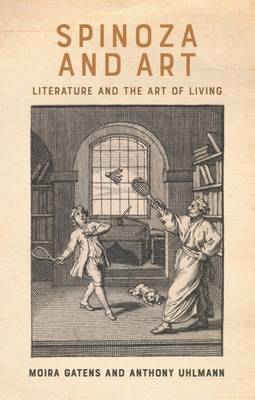
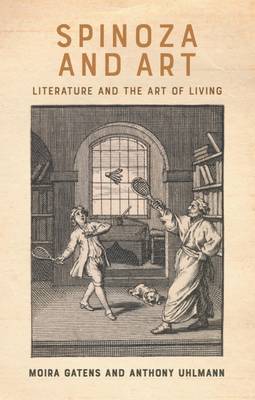
Against the mainstream view, Gatens and Uhlmann argue that Spinoza's philosophy can significantly contribute to understandings of art, creativity and the central place of the imagination in human wellbeing. This perspective shows how concepts essential to Spinoza's philosophy, such as ingenium, the exemplar and the theory of the affects illuminate how works of art and literature make essential contributions to human thriving. They consider case studies of major English authors who were negatively or positively influenced by Spinoza, including Daniel Defoe, Jonathan Swift, Percy and Mary Shelley, George Eliot and Virginia Woolf.
Specificaties
Betrokkenen
- Auteur(s):
- Uitgeverij:
Inhoud
- Aantal bladzijden:
- 312
- Taal:
- Engels
Eigenschappen
- Productcode (EAN):
- 9781399570213
- Verschijningsdatum:
- 31/10/2026
- Uitvoering:
- Hardcover
- Formaat:
- Genaaid
- Afmetingen:
- 138 mm x 216 mm


Alleen bij Standaard Boekhandel
+ 281 punten op je klantenkaart van Standaard Boekhandel
Cadeau

AANGERADEN


Beoordelingen
We publiceren alleen reviews die voldoen aan de voorwaarden voor reviews. Bekijk onze voorwaarden voor reviews.