


- Afhalen na 1 uur in een winkel met voorraad
- Gratis thuislevering in België vanaf € 30
- Ruim aanbod met 7 miljoen producten
- Afhalen na 1 uur in een winkel met voorraad
- Gratis thuislevering in België vanaf € 30
- Ruim aanbod met 7 miljoen producten





€ 72,00
+ 144 punten
Omschrijving
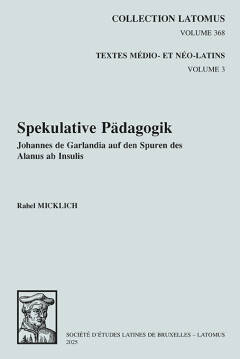
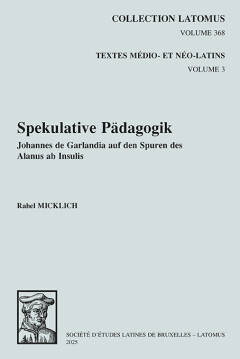
At the heart of this book lies a 22-stanza poem from the Parisiana Poetria by the English grammarian John of Garland in which he comes up with the pedagogic idea of a Platonico-Aristotelian curriculum. Alongside its first German translation, it is introduced in detail and discussed in terms of a commentary and interpretation of its verses and stanzas. This examination primarily focuses on the intellectual backdrop of the pivotal 12th century, notably exploring the Chartresian-Platonic tradition and its speculative origins. The book is thus divided into two main parts. The second one, dedicated to the history of ideas, pays particular attention to the selective-transformative appropriation and creative assimilation of various elements - topoi, motifs and passages - from Alan of Lille's Anticlaudianus and Planctus Naturae. However, this study does not only contextualise and offer hermeneutical accessibility to the examined poem, but also engages in a thorough literary analysis. One surprising result is: John, hitherto perceived as primarily a grammarian, surfaces as a philosophically educated mind, capable of condensing the intellectual atmosphere of Chartres in a remarkably sophisticated way - a mastery that the book endeavours to bring to life.
Specificaties
Betrokkenen
- Auteur(s):
- Uitgeverij:
Inhoud
- Aantal bladzijden:
- 463
- Taal:
- Duits
- Reeks:
- Reeksnummer:
- nr. 368
Eigenschappen
- Productcode (EAN):
- 9789042952348
- Verschijningsdatum:
- 15/07/2025
- Uitvoering:
- Paperback
- Formaat:
- Trade paperback (VS)
- Afmetingen:
- 16 cm x 24 cm
- Gewicht:
- 675 g


Alleen bij Standaard Boekhandel
+ 144 punten op je klantenkaart van Standaard Boekhandel

Beoordelingen
We publiceren alleen reviews die voldoen aan de voorwaarden voor reviews. Bekijk onze voorwaarden voor reviews.