


- Afhalen na 1 uur in een winkel met voorraad
- Gratis thuislevering in België vanaf € 30
- Ruim aanbod met 7 miljoen producten
- Afhalen na 1 uur in een winkel met voorraad
- Gratis thuislevering in België vanaf € 30
- Ruim aanbod met 7 miljoen producten





€ 27,45
+ 54 punten
Uitvoering
Eenvoudig bestellen
Veilig betalen


Gratis thuislevering vanaf € 30 (via bpost)
Gratis levering in je Standaard Boekhandel
Omschrijving
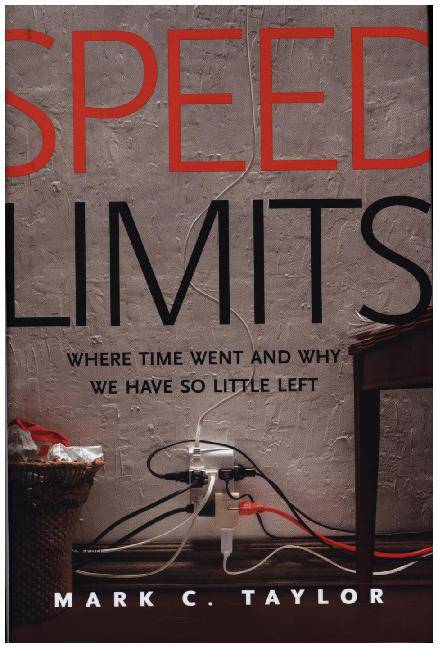
A leading thinker asks why "faster" is synonymous with "better" in our hurried world and suggests how to take control of our runaway lives
We live in an ever-accelerating world: faster computers, markets, food, fashion, product cycles, minds, bodies, kids, lives. When did everything start moving so fast? Why does speed seem so inevitable? Is faster always better?
Drawing together developments in religion, philosophy, art, technology, fashion, and finance, Mark C. Taylor presents an original and rich account of a great paradox of our times: how the very forces and technologies that were supposed to free us by saving time and labor now trap us in a race we can never win. The faster we go, the less time we have, and the more we try to catch up, the farther behind we fall. Connecting our speed-obsession with today's global capitalism, he composes a grand narrative showing how commitments to economic growth and extreme competition, combined with accelerating technological innovation, have brought us close to disaster. Psychologically, environmentally, economically, and culturally, speed is taking a profound toll on our lives.
By showing how the phenomenon of speed has emerged, Taylor offers us a chance to see our pace of life as the product of specific ideas, practices, and policies. It's not inevitable or irreversible. He courageously and movingly invites us to imagine how we might patiently work towards a more deliberative life and sustainable world.
We live in an ever-accelerating world: faster computers, markets, food, fashion, product cycles, minds, bodies, kids, lives. When did everything start moving so fast? Why does speed seem so inevitable? Is faster always better?
Drawing together developments in religion, philosophy, art, technology, fashion, and finance, Mark C. Taylor presents an original and rich account of a great paradox of our times: how the very forces and technologies that were supposed to free us by saving time and labor now trap us in a race we can never win. The faster we go, the less time we have, and the more we try to catch up, the farther behind we fall. Connecting our speed-obsession with today's global capitalism, he composes a grand narrative showing how commitments to economic growth and extreme competition, combined with accelerating technological innovation, have brought us close to disaster. Psychologically, environmentally, economically, and culturally, speed is taking a profound toll on our lives.
By showing how the phenomenon of speed has emerged, Taylor offers us a chance to see our pace of life as the product of specific ideas, practices, and policies. It's not inevitable or irreversible. He courageously and movingly invites us to imagine how we might patiently work towards a more deliberative life and sustainable world.
Specificaties
Betrokkenen
- Auteur(s):
- Uitgeverij:
Inhoud
- Aantal bladzijden:
- 408
- Taal:
- Engels
Eigenschappen
- Productcode (EAN):
- 9780300206470
- Verschijningsdatum:
- 28/10/2014
- Uitvoering:
- Hardcover
- Formaat:
- Genaaid
- Afmetingen:
- 165 mm x 245 mm
- Gewicht:
- 739 g


Alleen bij Standaard Boekhandel
+ 54 punten op je klantenkaart van Standaard Boekhandel
CADEAU

AANGERADEN


Beoordelingen
We publiceren alleen reviews die voldoen aan de voorwaarden voor reviews. Bekijk onze voorwaarden voor reviews.