


- Afhalen na 1 uur in een winkel met voorraad
- Gratis thuislevering in België vanaf € 30
- Ruim aanbod met 7 miljoen producten
- Afhalen na 1 uur in een winkel met voorraad
- Gratis thuislevering in België vanaf € 30
- Ruim aanbod met 7 miljoen producten





€ 36,45
+ 72 punten
Uitvoering
Omschrijving
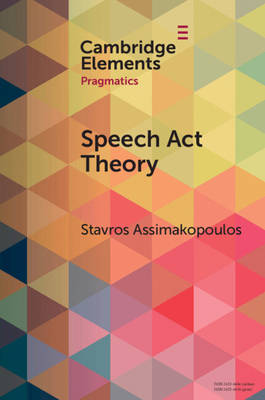
Speech act theory has been foundational in establishing pragmatics as an independent field of inquiry; yet, recent pragmatic research appears to have drifted away from the theoretical investigation of speech acts. This Element explores the reasons why this is so, focusing on the difference of perspective that emerges when the scope of the discipline is viewed through a narrow versus a broad lens. Following an overview of the initial exposition of speech act theory by Austin, it tracks its evolution, through subsequent Searlean and Gricean elaborations, to the currently received view. This view is then found to have diverged substantially from Austin's original vision, largely due to its alignment with the narrow conception of pragmatics. Against this backdrop, it is suggested that embracing the broad take on the discipline can allow for a reintegration of Austin's vision into the way we theorise about speech acts.
Specificaties
Betrokkenen
- Auteur(s):
- Uitgeverij:
Inhoud
- Aantal bladzijden:
- 80
- Taal:
- Engels
- Reeks:
Eigenschappen
- Productcode (EAN):
- 9781009378369
- Verschijningsdatum:
- 5/02/2026
- Uitvoering:
- Paperback
- Formaat:
- Trade paperback (VS)
- Afmetingen:
- 152 mm x 229 mm
- Gewicht:
- 117 g


Alleen bij Standaard Boekhandel
+ 72 punten op je klantenkaart van Standaard Boekhandel
Cadeau

AANGERADEN


Beoordelingen
We publiceren alleen reviews die voldoen aan de voorwaarden voor reviews. Bekijk onze voorwaarden voor reviews.