


- Afhalen na 1 uur in een winkel met voorraad
- Gratis thuislevering in België vanaf € 30
- Ruim aanbod met 7 miljoen producten
- Afhalen na 1 uur in een winkel met voorraad
- Gratis thuislevering in België vanaf € 30
- Ruim aanbod met 7 miljoen producten





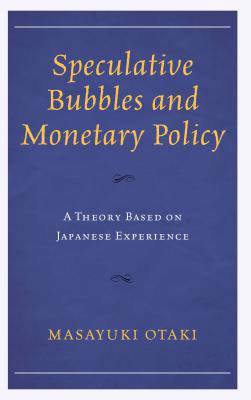
Speculative Bubbles and Monetary Policy
A Theory Based on Japanese Experience
Masayuki Otaki
Hardcover | Engels
€ 96,45
+ 192 punten
Omschrijving
Speculative Bubbles and Monetary Policy works at the intersection of economic theory history. While the consistent and penetrating perspective of theory is necessary for interpreting economic history, existing macroeconomic theories are fragile an ineffective at narrating an economic history that covers a relatively long period. Such fragility comes from arbitrariness in deployed economic theory as well as structural changes within an economy. This book presents a Keynesian theory with a rigorous dynamic microeconomic foundation that entirely differs from new Keynesian theory and applies it to the Japanese economic history from the 1980s to 2010s. It considers two primary incidents in the country's economic history: the bubble boom from the late 1980s to the early 1990s, and the country's immersion in neoliberalism at the turn of the century.
Specificaties
Betrokkenen
- Auteur(s):
- Uitgeverij:
Inhoud
- Aantal bladzijden:
- 140
- Taal:
- Engels
Eigenschappen
- Productcode (EAN):
- 9781498549141
- Verschijningsdatum:
- 17/12/2018
- Uitvoering:
- Hardcover
- Formaat:
- Genaaid
- Afmetingen:
- 152 mm x 231 mm
- Gewicht:
- 358 g


Alleen bij Standaard Boekhandel
+ 192 punten op je klantenkaart van Standaard Boekhandel
Cadeau

AANGERADEN


Beoordelingen
We publiceren alleen reviews die voldoen aan de voorwaarden voor reviews. Bekijk onze voorwaarden voor reviews.