


- Afhalen na 1 uur in een winkel met voorraad
- Gratis thuislevering in België vanaf € 30
- Ruim aanbod met 7 miljoen producten
- Afhalen na 1 uur in een winkel met voorraad
- Gratis thuislevering in België vanaf € 30
- Ruim aanbod met 7 miljoen producten





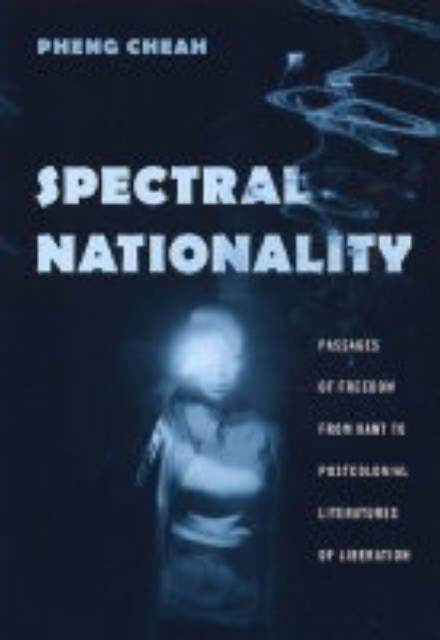
Spectral Nationality
Passages of Freedom from Kant to Postcolonial Literatures of Liberation
Pheng Cheah
Paperback | Engels
€ 67,95
+ 135 punten
Uitvoering
Omschrijving
This far-ranging and ambitious attempt to rethink postcolonial theory's discussion of the nation and nationalism brings the problems of the postcolonial condition to bear on the philosophy of freedom. Going against orthodoxy, Pheng Cheah retraces the universal-rationalist foundations and progressive origins of political organicism in the work of Kant and its development in philosophers in the German tradition such as Fichte, Hegel, and Marx.
Specificaties
Betrokkenen
- Auteur(s):
- Uitgeverij:
Inhoud
- Aantal bladzijden:
- 432
- Taal:
- Engels
Eigenschappen
- Productcode (EAN):
- 9780231130196
- Verschijningsdatum:
- 24/12/2003
- Uitvoering:
- Paperback
- Formaat:
- Trade paperback (VS)
- Afmetingen:
- 153 mm x 225 mm
- Gewicht:
- 580 g


Alleen bij Standaard Boekhandel
+ 135 punten op je klantenkaart van Standaard Boekhandel
Cadeau

AANGERADEN


Beoordelingen
We publiceren alleen reviews die voldoen aan de voorwaarden voor reviews. Bekijk onze voorwaarden voor reviews.