



- Afhalen na 1 uur in een winkel met voorraad
- In januari gratis thuislevering in België
- Ruim aanbod met 7 miljoen producten
- Afhalen na 1 uur in een winkel met voorraad
- In januari gratis thuislevering in België
- Ruim aanbod met 7 miljoen producten





€ 151,45
+ 302 punten
Omschrijving
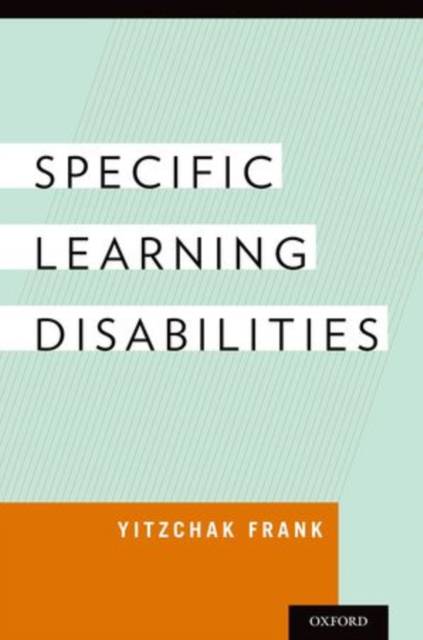
This book is a concise but comprehensive review of Specific Learning Disabilities, with a special attention to the biology of these diverse conditions. The reader will get a review of most aspects of SLD, including the different clinical syndromes (mostly dyslexia and dyscalculia), the clinical manifestations and the therapeutic approaches. It is unique in the proportion of its content dedicated to the biological aspects of SLD. It attempts to assemble and present the biological knowledge which has been accumulated on these conditions. This knowledge includes the neurological anatomy of dyslexia and dyscalculia, demonstrated with the help of modern neuro-imaging studies, and the physiology and the genetics of these conditions, again demonstrated by recently available technologies. These new technologies produced major discoveries related to SLD including the importance of phonological processing in reading, the presence of ]number center] in the brain, and the rain networks involved in reading. We recognize that many dyslexic subjects have a deficit in aspects of language processing, specifically phonological processing; that dyscalculia can be the result of a number of distinct cognitive impairments, and that the basic underlying deficit in many cases of SLD may be a genetic variation. The same new biological investigative techniques can, like never before, measure the outcome of therapeutic techniques and learning methods. Such measurements will, in the future, be the ]gold standard] in assessing the efficacy of different methods of classroom teaching in regular and different learners.
Last, unlike many other publications on SLD, this book discusses the relatively unrecognized emotional aspects of SLD, and the sometime devastating effects that these conditions have on the life of affected subjects and their families, in and out of the classroom.
Last, unlike many other publications on SLD, this book discusses the relatively unrecognized emotional aspects of SLD, and the sometime devastating effects that these conditions have on the life of affected subjects and their families, in and out of the classroom.
Specificaties
Betrokkenen
- Auteur(s):
- Uitgeverij:
Inhoud
- Aantal bladzijden:
- 328
- Taal:
- Engels
Eigenschappen
- Productcode (EAN):
- 9780199862955
- Verschijningsdatum:
- 7/07/2014
- Uitvoering:
- Paperback
- Formaat:
- Trade paperback (VS)
- Afmetingen:
- 155 mm x 231 mm
- Gewicht:
- 453 g


Alleen bij Standaard Boekhandel
+ 302 punten op je klantenkaart van Standaard Boekhandel
Cadeau

AANGERADEN


Beoordelingen
We publiceren alleen reviews die voldoen aan de voorwaarden voor reviews. Bekijk onze voorwaarden voor reviews.