


- Afhalen na 1 uur in een winkel met voorraad
- Gratis thuislevering in België vanaf € 30
- Ruim aanbod met 7 miljoen producten
- Afhalen na 1 uur in een winkel met voorraad
- Gratis thuislevering in België vanaf € 30
- Ruim aanbod met 7 miljoen producten





€ 116,60
+ 233 punten
Omschrijving
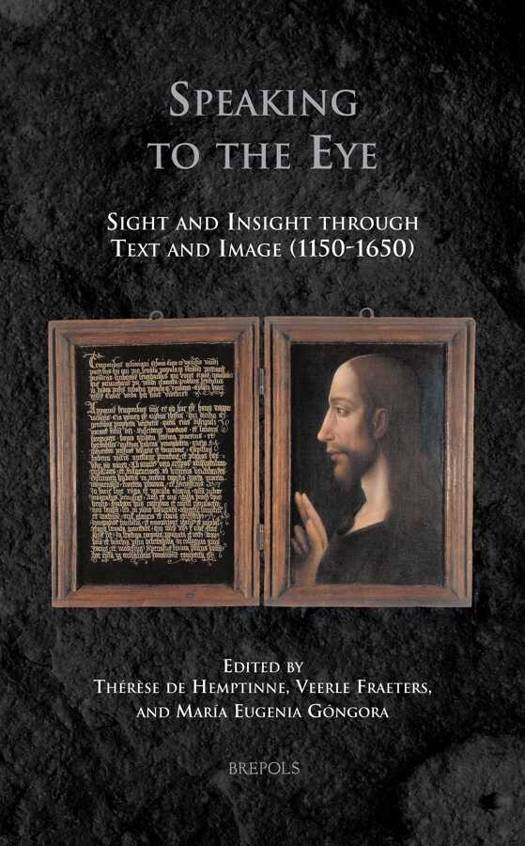
This volume takes as its focus the paradoxical double-bind of textuality and visuality in the culture of the high and late Middle Ages and early modernity. In a series of case studies contributors explore the historical and theoretical implications of the idea that texts and images alike 'speak to the eye'. Some scholars have proclaimed the coming of a 'visual turn' to explain the boom in conferences, books, and even specialized journals that take as their topic the theoretical or historical study of visual culture. The notion of visual culture may seem self-evident, not merely from our own twenty-first-century perspective but also when applied to earlier periods of western European history. However, the nature and status of the visual media, as well as the ways in which these were received, experienced, and appropriated, underwent several major changes betweenthe twelfth and the seventeenth centuries. Contemporary sources describe and define the experience of reading texts and images as involving a mixture of visual and aural impulses that address both the inner eye and the outer senses. This volume sets out explicitly to investigate the specific, sensuous nature of this experience. It also addresses the question of whether, and if so to what extent and in which ways, this 'reading experience' was engendered.
Specificaties
Betrokkenen
- Auteur(s):
- Uitgeverij:
Inhoud
- Aantal bladzijden:
- 331
- Taal:
- Engels
- Reeks:
- Reeksnummer:
- nr. 2
Eigenschappen
- Productcode (EAN):
- 9782503534206
- Verschijningsdatum:
- 23/10/2013
- Uitvoering:
- Hardcover
- Formaat:
- Genaaid
- Afmetingen:
- 165 mm x 239 mm
- Gewicht:
- 703 g



Alleen bij Standaard Boekhandel
+ 233 punten op je klantenkaart van Standaard Boekhandel
Cadeau

AANGERADEN


Beoordelingen
We publiceren alleen reviews die voldoen aan de voorwaarden voor reviews. Bekijk onze voorwaarden voor reviews.