



Je cadeautjes zeker op tijd in huis hebben voor de feestdagen? Kom langs in onze winkels en vind het perfecte geschenk!
- Afhalen na 1 uur in een winkel met voorraad
- Gratis thuislevering in België vanaf € 30
- Ruim aanbod met 7 miljoen producten
Je cadeautjes zeker op tijd in huis hebben voor de feestdagen? Kom langs in onze winkels en vind het perfecte geschenk!
- Afhalen na 1 uur in een winkel met voorraad
- Gratis thuislevering in België vanaf € 30
- Ruim aanbod met 7 miljoen producten





Omschrijving
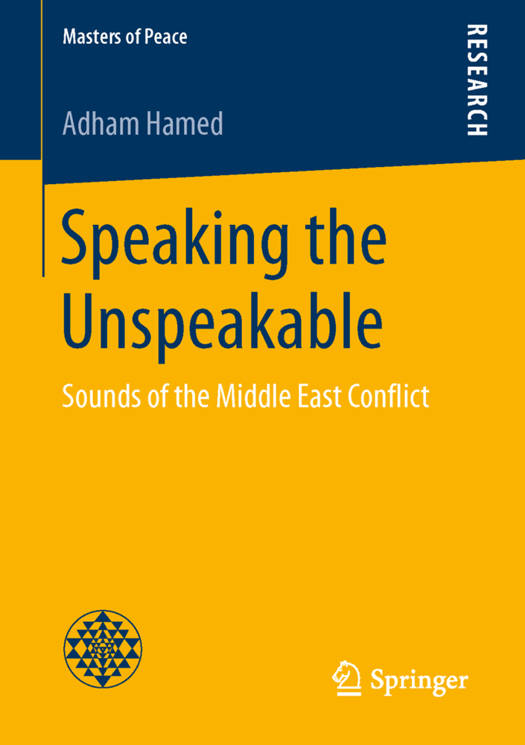
Adham Hamed explores how a metaphoric understanding of the Middle East as an open space full of resonating sound bodies can be applied to the Middle East Conflict. Through inquiring into the experienced truths of large-scale political violence, the author suggests that music carries a potential for speaking 'unspeakable' truths. He explores hidden layers by applying the transrational approach to peace studies and proposes a non-territorial understanding of conflict. Hamed argues that security and justice discourses make up the dominant primary themes in this context. The Jerusalem Youth Chorus and the Egyptian band Eskenderella are examined as case studies. This book uncovers where their truths meet within and beyond the restrictions of formalized language. The author concludes that in moments of experienced resonance there is potential for change in the dynamics of rigid conflicts.
Specificaties
Betrokkenen
- Auteur(s):
- Uitgeverij:
Inhoud
- Aantal bladzijden:
- 109
- Taal:
- Engels
- Reeks:
Eigenschappen
- Productcode (EAN):
- 9783658142070
- Verschijningsdatum:
- 22/06/2016
- Uitvoering:
- Paperback
- Formaat:
- Trade paperback (VS)
- Afmetingen:
- 148 mm x 210 mm
- Gewicht:
- 158 g


Alleen bij Standaard Boekhandel
+ 139 punten op je klantenkaart van Standaard Boekhandel
CADEAU


Beoordelingen
We publiceren alleen reviews die voldoen aan de voorwaarden voor reviews. Bekijk onze voorwaarden voor reviews.