


- Afhalen na 1 uur in een winkel met voorraad
- Gratis thuislevering in België vanaf € 30
- Ruim aanbod met 7 miljoen producten
- Afhalen na 1 uur in een winkel met voorraad
- Gratis thuislevering in België vanaf € 30
- Ruim aanbod met 7 miljoen producten





Omschrijving
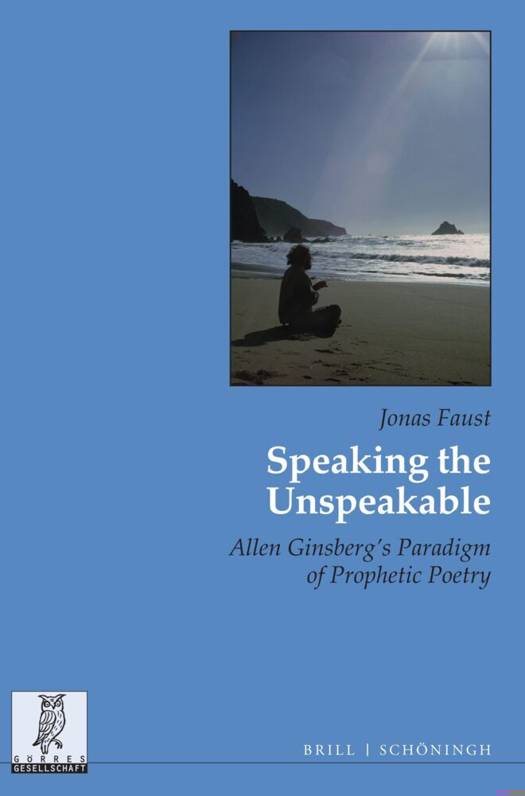
Allen Ginsberg (1926-1997), one of the most important and widely read American poets of the 20th century, depicted himself as the prophet of a new America. Scholars and critics have echoed this self-description and turned prophecy into a key theme of his life, but their understanding of this notion often remains vague and ill-defined. Speaking the Unspeakable constructs a flexible definition of prophecy from the poets own perspective and applies it to his entire work chronologically to capture its developments, idiosyncrasies and tensions. In addition, it applies Bourdieus cultural sociology to explore how Ginsberg used his self-depiction to situate himself in the literary field of postwar America and claim a position at the forefront of the avant-garde in the transitioning period from modernism to postmodernism. Ginsbergs esoteric seeker religiousness and his exuberant claims to epiphanic experiences are intricately linked, as this study shows, to his literary success.
Specificaties
Betrokkenen
- Auteur(s):
- Uitgeverij:
Inhoud
- Aantal bladzijden:
- 382
- Taal:
- Engels
- Reeks:
- Reeksnummer:
- nr. 44
Eigenschappen
- Productcode (EAN):
- 9783506798282
- Verschijningsdatum:
- 10/11/2025
- Uitvoering:
- Hardcover
- Formaat:
- Genaaid
- Afmetingen:
- 155 mm x 235 mm
- Gewicht:
- 281 g


Alleen bij Standaard Boekhandel
+ 175 punten op je klantenkaart van Standaard Boekhandel

Beoordelingen
We publiceren alleen reviews die voldoen aan de voorwaarden voor reviews. Bekijk onze voorwaarden voor reviews.