


- Afhalen na 1 uur in een winkel met voorraad
- Gratis thuislevering in België vanaf € 30
- Ruim aanbod met 7 miljoen producten
- Afhalen na 1 uur in een winkel met voorraad
- Gratis thuislevering in België vanaf € 30
- Ruim aanbod met 7 miljoen producten





€ 195,45
+ 390 punten
Eenvoudig bestellen
Veilig betalen


Gratis thuislevering vanaf € 30 (via bpost)
Gratis levering in je Standaard Boekhandel
Omschrijving
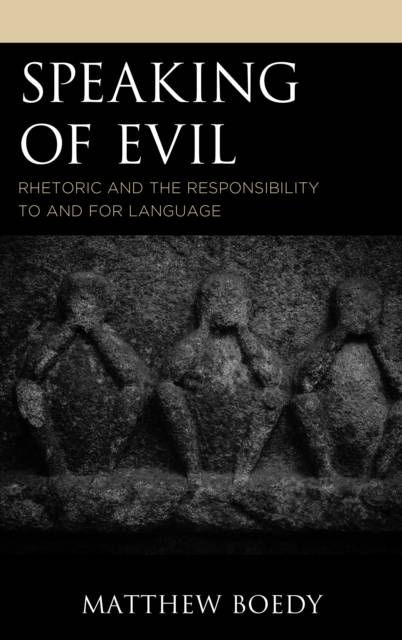
Rhetoric and the Responsibility to and for Language: Speaking of Evil relocates the "problem of evil"-- the question of why God would allow for the existence of evil--and surveys it as a rhetorical problem. It raises this question: if we speak evil, how shall we speak of evil? When we communicate, we are naming, and evil as the corruption of language plays a central role in that naming. Evil freezes our words, convinces us we have the sole right to their definitions, and generally stifles the dynamic gift of language. By looking at how people in different eras and situations have named evil, this book suggests how we can better take responsibility for our words and why we owe a responsibility to language as our ethical stance toward evil.
Specificaties
Betrokkenen
- Auteur(s):
- Uitgeverij:
Inhoud
- Aantal bladzijden:
- 114
- Taal:
- Engels
- Reeks:
Eigenschappen
- Productcode (EAN):
- 9781498578431
- Verschijningsdatum:
- 15/10/2018
- Uitvoering:
- Hardcover
- Formaat:
- Genaaid
- Afmetingen:
- 155 mm x 231 mm
- Gewicht:
- 376 g


Alleen bij Standaard Boekhandel
+ 390 punten op je klantenkaart van Standaard Boekhandel
CADEAU

AANGERADEN


Beoordelingen
We publiceren alleen reviews die voldoen aan de voorwaarden voor reviews. Bekijk onze voorwaarden voor reviews.