


- Afhalen na 1 uur in een winkel met voorraad
- Gratis thuislevering in België vanaf € 30
- Ruim aanbod met 7 miljoen producten
- Afhalen na 1 uur in een winkel met voorraad
- Gratis thuislevering in België vanaf € 30
- Ruim aanbod met 7 miljoen producten





€ 9,95
+ 19 punten
Omschrijving
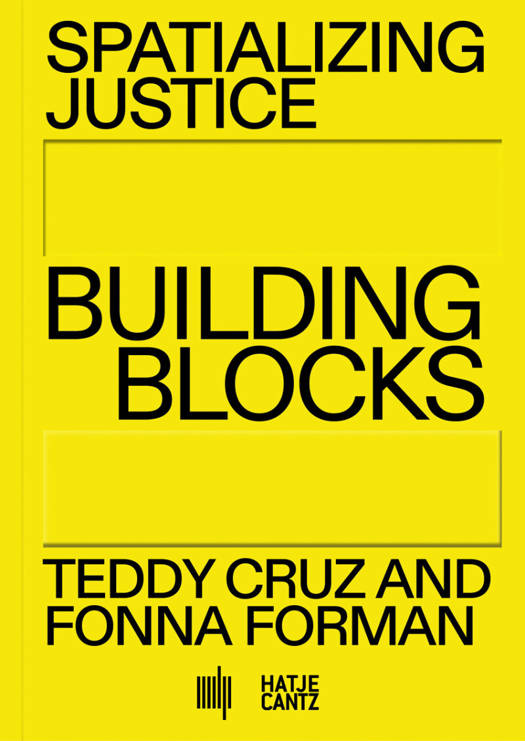
Spatializing Justice calls for architects and urban designers to do more than design buildings and physical systems. Architects should take a position against inequality and practice accordingly. With these thirty short, manifesto-like texts-building blocks for a new kind of architecture-Spatializing Justice offers a practical handbook for confronting social and economic inequality and uneven urban growth in architectural and planning practice, urging practitioners to adopt approaches that range from redefining infrastructure to retrofitting McMansions.
These building blocks call for expanded modes of practice, through which architects can imagine new spatial procedures, political and economic strategies, and modalities of sociability. Challenging existing exclusionary policies can advance a more experimental architecture not bound by formal parameters. Architects must think of themselves as designers not only of things but of civic processes, complicate the ideas of ownership and property, and imagine new sites of research, pedagogy, and intervention. As one of the texts advises, “the questions must be different questions if we want different answers.”
These building blocks call for expanded modes of practice, through which architects can imagine new spatial procedures, political and economic strategies, and modalities of sociability. Challenging existing exclusionary policies can advance a more experimental architecture not bound by formal parameters. Architects must think of themselves as designers not only of things but of civic processes, complicate the ideas of ownership and property, and imagine new sites of research, pedagogy, and intervention. As one of the texts advises, “the questions must be different questions if we want different answers.”
Specificaties
Betrokkenen
- Auteur(s):
- Uitgeverij:
Inhoud
- Aantal bladzijden:
- 144
- Taal:
- Engels
Eigenschappen
- Productcode (EAN):
- 9783775752206
- Verschijningsdatum:
- 6/10/2022
- Uitvoering:
- Paperback
- Afmetingen:
- 170 mm x 242 mm
- Gewicht:
- 420 g


Alleen bij Standaard Boekhandel
+ 19 punten op je klantenkaart van Standaard Boekhandel
AANGERADEN


Beoordelingen
We publiceren alleen reviews die voldoen aan de voorwaarden voor reviews. Bekijk onze voorwaarden voor reviews.