


- Afhalen na 1 uur in een winkel met voorraad
- Gratis thuislevering in België vanaf € 30
- Ruim aanbod met 7 miljoen producten
- Afhalen na 1 uur in een winkel met voorraad
- Gratis thuislevering in België vanaf € 30
- Ruim aanbod met 7 miljoen producten





€ 169,95
+ 339 punten
Uitvoering
Omschrijving
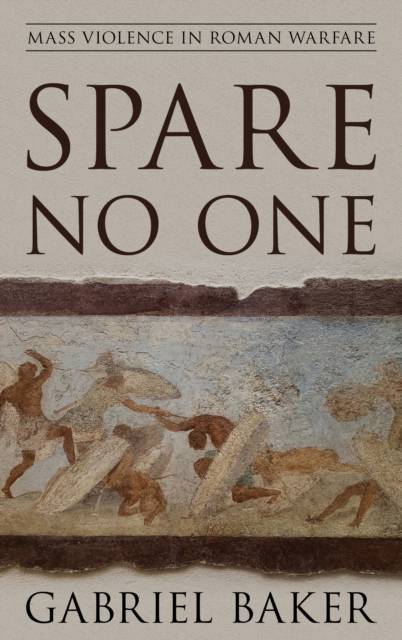
In 146 BC, the armies of the Roman Republic destroyed Carthage and Corinth, two of the most spectacular cities of the ancient Mediterranean world. It was a display of ruthlessness so terrible that it shocked contemporaries, leaving behind deep scars and palpable historical traumas. Yet these twin destructions were not so extraordinary in the long annals of Roman warfare. In Spare No One, Gabriel Baker convincingly shows that mass violence was vital to Roman military operations. Indeed, in virtually every war they fought during the third and second centuries BC, the Roman legions killed and enslaved populations, executed prisoners, and put cities to the torch. This powerful book reveals that these violent acts were not normally the handiwork of frenzied soldiers run amok, nor were they spontaneous outbursts of uncontrolled savagery. On the contrary--and more troublingly--Roman commanders deliberately used these brutal strategies to achieve their most critical military objectives and political goals. Bringing long-overdue attention to this little-known aspect of Roman history, Baker paints a fuller, albeit darker, picture of Roman warfare. He ultimately demonstrates that the atrocities of the twentieth and twenty-first centuries have deep historical precedents. Casting a fresh light on the strategic use of total war in the ancient world, he reminds us that terror and mass violence could be the rational policies of men and states long before the modern age.
Specificaties
Betrokkenen
- Auteur(s):
- Uitgeverij:
Inhoud
- Aantal bladzijden:
- 292
- Taal:
- Engels
- Reeks:
Eigenschappen
- Productcode (EAN):
- 9781538112205
- Verschijningsdatum:
- 3/03/2021
- Uitvoering:
- Hardcover
- Formaat:
- Genaaid
- Afmetingen:
- 152 mm x 229 mm
- Gewicht:
- 562 g


Alleen bij Standaard Boekhandel
+ 339 punten op je klantenkaart van Standaard Boekhandel
Cadeau

AANGERADEN


Beoordelingen
We publiceren alleen reviews die voldoen aan de voorwaarden voor reviews. Bekijk onze voorwaarden voor reviews.