


- Afhalen na 1 uur in een winkel met voorraad
- Gratis thuislevering in België vanaf € 30
- Ruim aanbod met 7 miljoen producten
- Afhalen na 1 uur in een winkel met voorraad
- Gratis thuislevering in België vanaf € 30
- Ruim aanbod met 7 miljoen producten





€ 84,95
+ 169 punten
Omschrijving
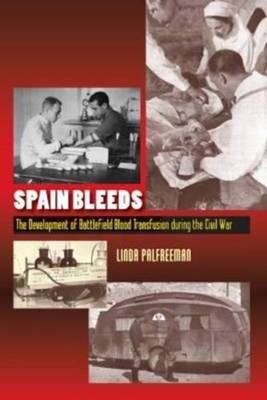
War is sometimes mistakenly construed as the chief impetus for medical innovation. Nevertheless, military conflict obliges the implementation of discoveries still at an experimental stage. Such was the case with the practice of blood transfusion during the Spanish Civil War, when massive demand for blood provoked immediate recourse to breakthroughs in transfusion medicine not yet integrated into standard medical practice. The Spanish Civil War marked a new era in blood transfusion medicine. Frederic Durán-Jordà and Carlos Elósegui Sarasoles, directors, respectively, of the blood transfusion services of the Republican Army and of the insurgent forces, were innovators in the field of indirect blood transfusion with preserved blood. Not only had they to create transfusion services, almost from scratch, capable of supplying campaigning armies with blood in wartime conditions, they also had to struggle against the medical establishment and to convince their medical peers of the value (not to mention the scientific significance) of what they were doing. The Blood Transfusion Service of the Republic was a truly international effort, with medical volunteers from all over the world carrying out transfusion work in primitive and often dangerous conditions. All took their lead from one man the young Catalan haematologist, Frederic Durán-Jordà, the indisputable pioneer of civil war blood transfusion medicine. From humble beginnings at the outbreak of war, blood transfusion services were created in Spain that would later become crucial in the treatment of casualties during the Second World War and would shape the future evolution of blood transfusion medicine throughout the developed world.
Specificaties
Betrokkenen
- Auteur(s):
- Uitgeverij:
Inhoud
- Aantal bladzijden:
- 208
- Taal:
- Engels
- Reeks:
Eigenschappen
- Productcode (EAN):
- 9781845197186
- Verschijningsdatum:
- 1/03/2016
- Uitvoering:
- Paperback
- Formaat:
- Trade paperback (VS)
- Afmetingen:
- 150 mm x 226 mm
- Gewicht:
- 408 g


Alleen bij Standaard Boekhandel
+ 169 punten op je klantenkaart van Standaard Boekhandel
Cadeau

AANGERADEN


Beoordelingen
We publiceren alleen reviews die voldoen aan de voorwaarden voor reviews. Bekijk onze voorwaarden voor reviews.