


- Afhalen na 1 uur in een winkel met voorraad
- Gratis thuislevering in België vanaf € 30
- Ruim aanbod met 7 miljoen producten
- Afhalen na 1 uur in een winkel met voorraad
- Gratis thuislevering in België vanaf € 30
- Ruim aanbod met 7 miljoen producten





€ 42,95
+ 85 punten
Omschrijving
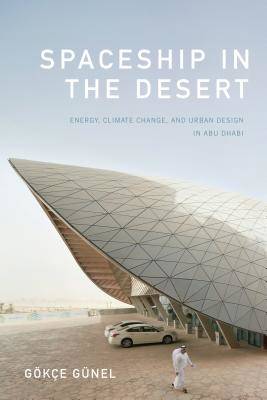
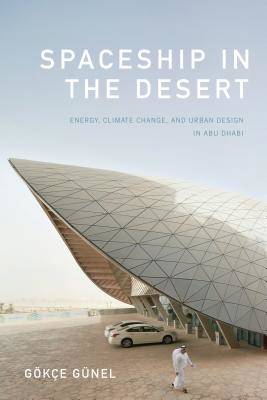
In 2006 Abu Dhabi launched an ambitious project to construct the world's first zero-carbon city: Masdar City. In Spaceship in the Desert Gökçe Günel examines the development and construction of Masdar City's renewable energy and clean technology infrastructures, providing an illuminating portrait of an international group of engineers, designers, and students who attempted to build a post-oil future in Abu Dhabi. While many of Masdar's initiatives-such as developing a new energy currency and a driverless rapid transit network-have stalled or not met expectations, Günel analyzes how these initiatives contributed to rendering the future a thinly disguised version of the fossil-fueled present. Spaceship in the Desert tells the story of Masdar, at once a "utopia" sponsored by the Emirati government, and a well-resourced company involving different actors who participated in the project, each with their own agendas and desires.
Specificaties
Betrokkenen
- Auteur(s):
- Uitgeverij:
Inhoud
- Aantal bladzijden:
- 272
- Taal:
- Engels
- Reeks:
Eigenschappen
- Productcode (EAN):
- 9781478000914
- Verschijningsdatum:
- 1/03/2019
- Uitvoering:
- Paperback
- Formaat:
- Trade paperback (VS)
- Afmetingen:
- 152 mm x 226 mm
- Gewicht:
- 385 g


Alleen bij Standaard Boekhandel
+ 85 punten op je klantenkaart van Standaard Boekhandel
Cadeau

AANGERADEN


Beoordelingen
We publiceren alleen reviews die voldoen aan de voorwaarden voor reviews. Bekijk onze voorwaarden voor reviews.