


- Afhalen na 1 uur in een winkel met voorraad
- Gratis thuislevering in België vanaf € 30
- Ruim aanbod met 7 miljoen producten
- Afhalen na 1 uur in een winkel met voorraad
- Gratis thuislevering in België vanaf € 30
- Ruim aanbod met 7 miljoen producten





€ 305,45
+ 610 punten
Omschrijving
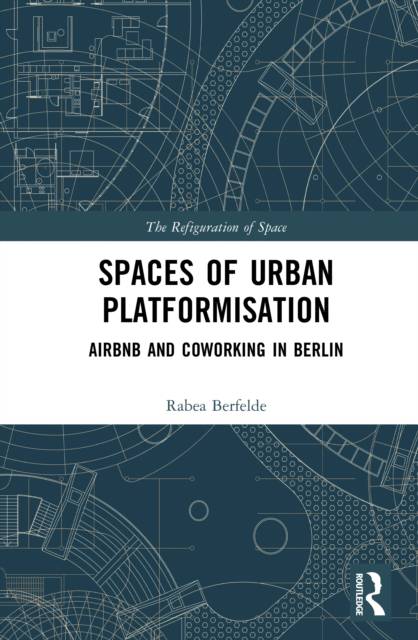
This book uses Berlin as a pivotal case study to analyse the transformation of urban spaces under the combined influences of financialisation and platformisation. By examining Airbnb's impact on housing and the development of coworking spaces, it provides a detailed exploration of how digital platforms are reshaping fundamental urban sites of production and reproduction within the broader context of post-2008 financialised capitalism. The study offers three significant contributions to the field. First, it presents a robust methodological framework for investigating financialised urbanism through spatial theory. Second, it delivers an empirical analysis of platform-mediated spatial practices at the micro level, offering concrete examples of these dynamics in action. Third, it advances theoretical understanding by situating platform urbanism within the larger processes of financialisation, highlighting the interplay between technology and real estate sectors in refiguring urban spaces and everyday practices. It does so by leveraging fieldwork from Berlin, a city uniquely suited for analysis due to its dynamic landscape of urban development and ongoing housing challenges. As such, it provides a cutting-edge and highly relevant analysis of how financial and technological forces are transforming cities, at both the structural and everyday levels. It will appeal to academics and graduate students of urban studies, human geography, sociology, and digital economy research, and particularly those working at the intersection of digital platforms and urban environments.
Specificaties
Betrokkenen
- Auteur(s):
- Uitgeverij:
Inhoud
- Aantal bladzijden:
- 160
- Taal:
- Engels
- Reeks:
Eigenschappen
- Productcode (EAN):
- 9781041244554
- Verschijningsdatum:
- 27/05/2026
- Uitvoering:
- Hardcover
- Formaat:
- Genaaid
- Afmetingen:
- 156 mm x 234 mm
- Gewicht:
- 417 g



Alleen bij Standaard Boekhandel
+ 610 punten op je klantenkaart van Standaard Boekhandel
Cadeau

AANGERADEN


Beoordelingen
We publiceren alleen reviews die voldoen aan de voorwaarden voor reviews. Bekijk onze voorwaarden voor reviews.