


- Afhalen na 1 uur in een winkel met voorraad
- Gratis thuislevering in België vanaf € 30
- Ruim aanbod met 7 miljoen producten
- Afhalen na 1 uur in een winkel met voorraad
- Gratis thuislevering in België vanaf € 30
- Ruim aanbod met 7 miljoen producten





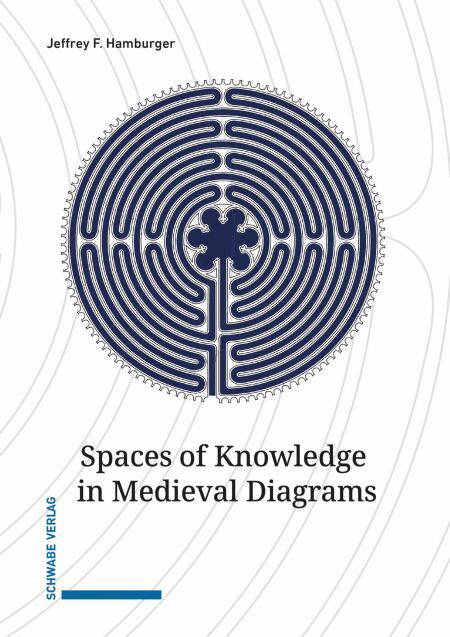
Spaces of Knowledge in Medieval Diagrams E-BOOK
Jeffrey F. Hamburger
€ 29,00
+ 29 punten
Omschrijving
The spatial structure of diagrams can be described in algebraic, geometric, cognitive or semiotic terms. Based on the ʻUr-diagramʼ of the Divided Line in Platoʼs ʻRepublicʼ, diagrams can be understood as representations of the visible and the intelligible world. However, the knowledge thus conveyed is subject to the contingency of material and contextual, i.e., period-specific circumstances. How is the spatial organization of diagrams in medieval manuscripts structured under such conditions? The examples dealt with in this essay range from diagrammaric glosses to the late antique ʻCorpus Dionysiacumʼ to visualizations of the powers of perception and cognition by the Renaissance scholar Charles Bovelles. Medieval spaces of knowledge encompassed not only the confines of libraries or the extended social networks within which books were written, exchanged, and read; they also took shape on the page, most persuasively in the form of diagrams.
Specificaties
Betrokkenen
- Auteur(s):
- Uitgeverij:
Inhoud
- Aantal bladzijden:
- 68
- Taal:
- Engels
- Reeks:
Eigenschappen
- Productcode (EAN):
- 9783796554124
- Verschijningsdatum:
- 7/12/2025
- Uitvoering:
- E-book
- Beveiligd met:
- Digital watermarking
- Formaat:


Alleen bij Standaard Boekhandel
+ 29 punten op je klantenkaart van Standaard Boekhandel
Cadeau

AANGERADEN


Beoordelingen
We publiceren alleen reviews die voldoen aan de voorwaarden voor reviews. Bekijk onze voorwaarden voor reviews.