


- Afhalen na 1 uur in een winkel met voorraad
- Gratis thuislevering in België vanaf € 30
- Ruim aanbod met 7 miljoen producten
- Afhalen na 1 uur in een winkel met voorraad
- Gratis thuislevering in België vanaf € 30
- Ruim aanbod met 7 miljoen producten





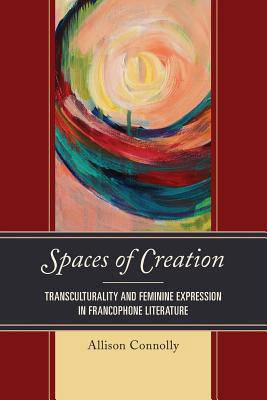
Spaces of Creation
Transculturality and Feminine Expression in Francophone Literature
Allison Connolly
€ 88,45
+ 176 punten
Omschrijving
Drawing links between the Francophone literatures of Canada, the French Caribbean, and North Africa, Spaces of Creation demonstrates that problematic issues of dynamic, postcolonial societies can and do fuel creative acts on the part of women. The trying experiences of displaced mothers and their daughters, including isolation, domestic violence, and single parenthood, often serve to inspire introspection and creative action. In effect, their painful, frustrating existence provides the opportunity--the space of creation--necessary to weave and transmit stories. Organized around different manifestations of culturally diverse or transcultural spaces depicted in postcolonial literature--rural villages, domestic spaces, city centers, and spaces of otherness--the monograph uncovers the complexities of mothering and "daughtering" in contemporary Francophone contexts. Through discussion of these spaces, the book attests to a specifically "feminine" transculturality. This vision of diversity acknowledges both the heartening and tragic aspects of life in dynamic, multicultural communities, revealing creative synergies between the literatures of different Francophone diasporas and inviting the reader to reconsider the mother-daughter relationship.
Specificaties
Betrokkenen
- Auteur(s):
- Uitgeverij:
Inhoud
- Aantal bladzijden:
- 150
- Taal:
- Engels
- Reeks:
Eigenschappen
- Productcode (EAN):
- 9781498539388
- Verschijningsdatum:
- 23/05/2018
- Uitvoering:
- Paperback
- Formaat:
- Trade paperback (VS)
- Afmetingen:
- 152 mm x 229 mm
- Gewicht:
- 226 g


Alleen bij Standaard Boekhandel
+ 176 punten op je klantenkaart van Standaard Boekhandel
Cadeau

AANGERADEN


Beoordelingen
We publiceren alleen reviews die voldoen aan de voorwaarden voor reviews. Bekijk onze voorwaarden voor reviews.